The Rise of Sinkholes: A Growing Concern
Introduction
Sinkholes have emerged as a significant phenomenon in various parts of the world, causing both structural damage and raising safety concerns among residents. As urban development expands, understanding the causes and potential impacts of sinkholes becomes increasingly crucial for communities susceptible to this geological occurrence.
Recent Instances of Sinkholes
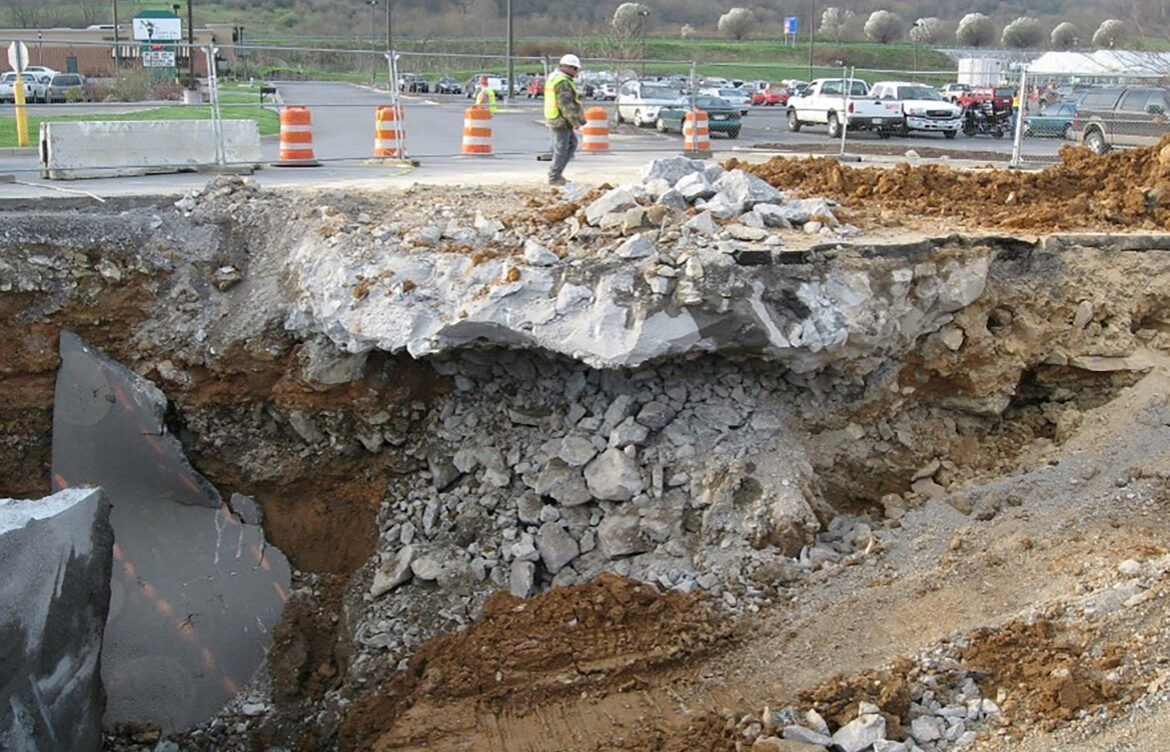
2023 has seen a notable increase in sinkhole occurrences, with significant events reported in Florida, Texas, and parts of California. For example, in early September, a large sinkhole measuring approximately 30 feet in diameter opened up in a parking lot in Orlando, Florida, damaging vehicles and prompting emergency services to evacuate nearby structures. Local geologists attributed this sinkhole to heavy rainfall that saturated the ground and weak limestone bedrock beneath the surface.
Elsewhere, a massive sinkhole in Houston, Texas, presented a different challenge. It appeared suddenly at a busy intersection, leading to several road closures and extensive repairs. Local authorities stated that continuous groundwater extraction had compromised the land’s integrity, exacerbating the vulnerability to sinkhole formation.
Causes of Sinkholes
Sinkholes generally form due to two primary processes: dissolution of soluble bedrock and changes in the groundwater level. This dissolution is typically associated with limestone, gypsum, or salt, resulting in underground voids. When the overburden becomes too heavy or water levels shift, these voids can suddenly collapse, leading to a sinkhole. Additionally, anthropogenic factors such as construction, drilling, and mining activities can influence sinkhole formation, highlighting the need for careful land management.
Impact on Communities
Communities affected by sinkholes face significant challenges, including property damage, loss of infrastructure, and increased insurance costs. The unpredictability of sinkholes can also instill fear among residents, affecting property values and even prompting relocations in severe cases. Local governments often need to invest in better monitoring systems and land-management practices to mitigate risk.
Conclusion
As urban areas continue to expand into regions susceptible to sinkholes, understanding their causes and effects is essential. Ongoing research and improved monitoring technologies may help mitigate future risks, but community awareness and preparedness will play vital roles in managing the impact of sinkholes. With climate change influencing weather patterns and groundwater levels, the frequency and severity of sinkholes may increase, making this topic relevant for homeowners, urban planners, and policymakers alike.