The Urgency of Addressing Climate Change
Introduction
Climate change has emerged as one of the most pressing global issues of our time, impacting not just the environment but also economic, social, and health systems worldwide. As temperatures continue to rise and extreme weather events become more frequent, the relevance of understanding and addressing climate change cannot be overstated. It is imperative for individuals, communities, and governments to take immediate action to mitigate its effects and adapt to new realities.
Current Events and Facts
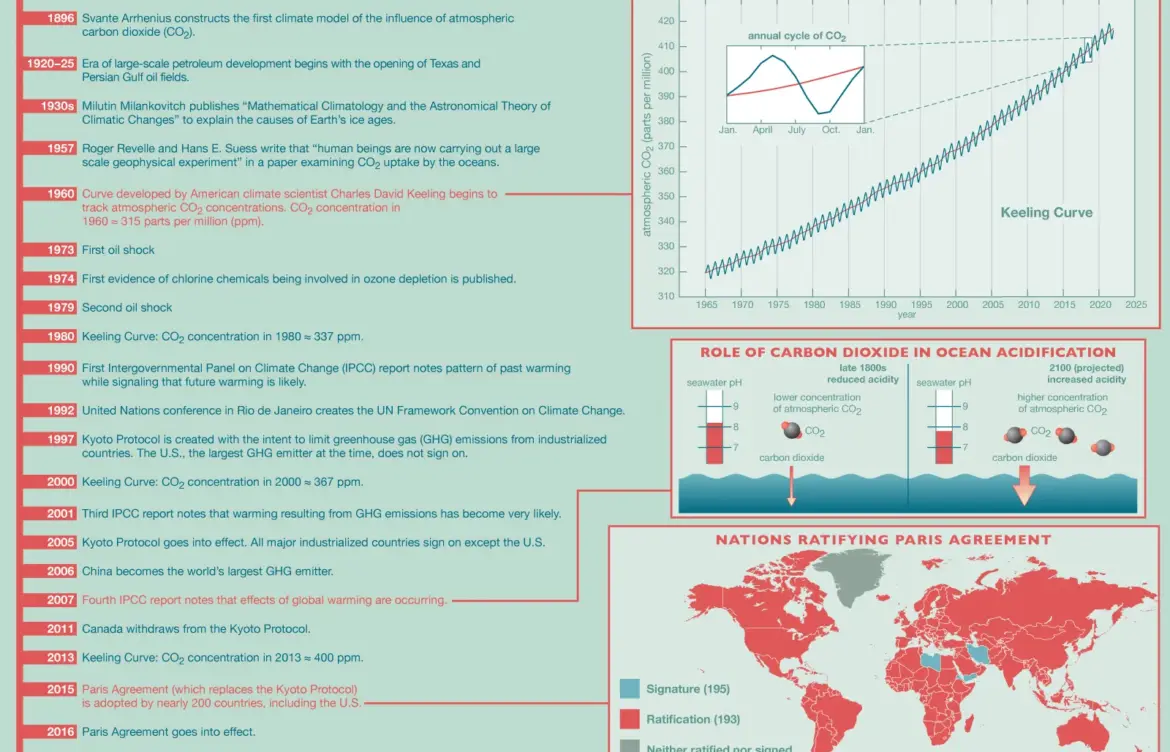
According to the latest report from the Intergovernmental Panel on Climate Change (IPCC), global temperatures have increased by approximately 1.1 degrees Celsius since the late 19th century, primarily due to human activities such as fossil fuel combustion, deforestation, and industrial processes. This warming has led to significant changes in our climate systems, impacting natural ecosystems and contributing to rising sea levels.
In recent months, a series of alarming climate-related events have underscored the urgency of addressing this issue. For instance, the devastating wildfires in California and Australia have highlighted the link between rising temperatures and increased wildfire risks. Furthermore, recent floods in parts of Europe and Asia caused by unprecedented rainfall have resulted in loss of life and severe damage to infrastructure. These events remind us that climate change is not a distant threat; rather, it is a current reality affecting millions of people.
The Response to Climate Change
In response to these alarming trends, many governments and organizations are taking steps to address climate change through legislation and initiatives aimed at reducing carbon emissions and promoting sustainable practices. The United States has rejoined the Paris Agreement and set ambitious targets to reduce emissions by 50-52% from 2005 levels by 2030. Additionally, countries around the world are investing in renewable energy, green technology, and conservation efforts to preserve biodiversity.
Conclusion
The significance of climate change cannot be overstated. It poses existential risks to our planet, economies, and societies. As a global community, we must recognize our collective responsibility to combat climate change through policy changes, advocacy, and personal actions. The choices we make today will shape the world for future generations.
In conclusion, while the challenges presented by climate change are formidable, they are not insurmountable. With concerted action and a commitment to sustainability, there is hope for a healthier planet. As we move forward, it is essential for individuals to stay informed and engaged, fostering a shared sense of urgency and responsibility towards our environment.