The Impact of Russia Snow on Life and Landscape
Introduction
Russia is known for its vast and diverse landscapes, but one of its most defining features is the heavy snowfall that blankets much of the country during winter. The significance of snow in Russia extends beyond mere aesthetics; it has profound effects on the environment, economy, and daily life of its people. With winter rapidly approaching and snowfall already reported in several regions, it is essential to examine the implications of snow in Russia.
Current Snowfall Events
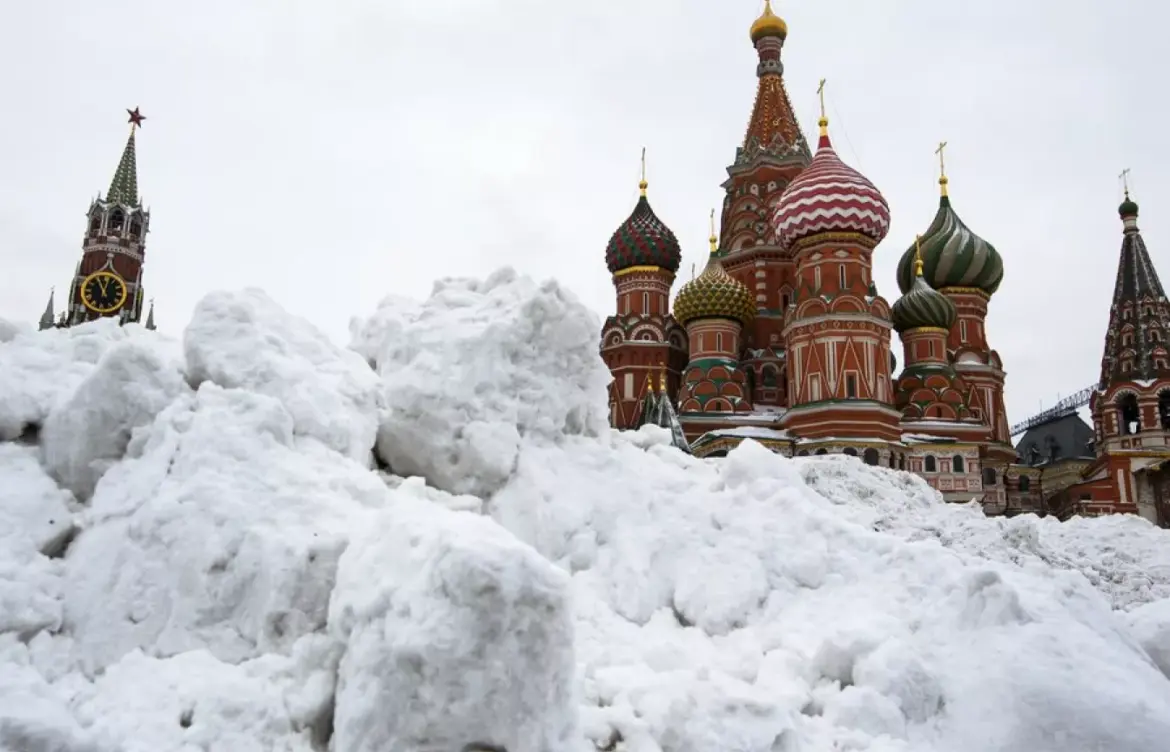
As of November 2023, many areas of Russia are experiencing increased snowfall, with temperatures dropping significantly. The Siberian region, known for its harsh winters, has reported accumulations exceeding 25 inches in some areas this week. Additionally, cities like Moscow and St. Petersburg are not far behind, with forecasts predicting several days of continuous snowfall. This weather has the potential to impact transportation, energy consumption, and even public safety.
Environmental Impact
The heavy snowfall in Russia plays a vital role in the ecosystem. Snow cover helps insulate the ground, protecting plants and wildlife during freezing temperatures. However, abrupt temperature changes can lead to challenges such as snowmelt runoff, which might result in flooding in the spring. The changing climate is also affecting traditional snow patterns, causing researchers to monitor how snow cover impacts the flora and fauna of the region.
Economic Consequences
The snow in Russia influences various economic sectors, particularly agriculture, energy, and tourism. While heavy snowfall can disrupt transport and logistics, it also benefits the winter tourism industry, drawing visitors to ski resorts in the Caucasus Mountains and the Ural region. Furthermore, the demand for heating increases as temperatures plummet, impacting energy consumption across the nation. The government and businesses must prepare for the financial implications of dealing with snow removal and winter preparedness.
Conclusion
Snow is an integral part of Russia’s identity, shaping the landscape and lifestyle of its citizens. While it presents numerous challenges, such as transportation delays and increased energy costs, it also offers opportunities for tourism and ecological balance. As climate patterns continue to shift, the significance of snow in Russia will evolve, prompting both the government and communities to adapt in various ways. Understanding the nuances of this winter phenomenon is essential for residents and visitors alike, as it greatly impacts how life unfolds in this vast and snow-covered nation.