The Importance of Clima: Addressing Climate Change Today
Introduction
Clima, or climate, refers to the long-term average of weather conditions in a particular area, and its study has become increasingly crucial in light of recent global events. Climate change has emerged as one of the most pressing issues facing humanity, with profound implications for natural ecosystems, human health, and global economies. The urgency of this topic is underscored by recent reports from the Intergovernmental Panel on Climate Change (IPCC), which indicate that extreme weather events have become more frequent and severe.
The Current State of Climate Change
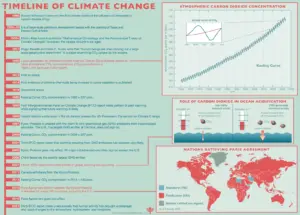
Recent studies show a clear trend of rising global temperatures, with 2023 on track to be one of the hottest years recorded. According to the National Oceanic and Atmospheric Administration (NOAA), the global land and ocean temperature has increased by about 1.2 degrees Celsius since the late 19th century. This warming is largely attributed to greenhouse gas emissions, primarily from human activities such as fossil fuel combustion, deforestation, and industrial processes.
In addition to temperature rise, the effects of climate change manifest in various forms, including melting ice caps, rising sea levels, and altered precipitation patterns. Coastal communities face increased flooding risks, and regions dependent on agriculture face shifts in crop viability. A report from the World Bank projects that if current trends continue, approximately 216 million people could be displaced by climate change by 2050.
Global Responses and Initiatives
In response to the escalating climate crisis, global leaders have convened through forums like the United Nations Climate Change Conferences (COP) to develop frameworks aimed at limiting global warming to well below 2 degrees Celsius above pre-industrial levels. The 2021 COP26 reinforced commitments from various nations to reduce carbon emissions, enhance renewable energy adoption, and promote sustainable agriculture practices.
Moreover, businesses and local communities are increasingly adopting climate-positive initiatives. The transition to green technology, investment in renewable energy sources, and sustainable urban planning are becoming vital components of local and national strategies.
Conclusion
As the world grapples with the multifaceted challenges presented by climate change, understanding the implications of clima becomes paramount. It requires collective action and a commitment to sustainable practices at all levels of society. The future of our planet depends on the steps we take today to mitigate climate change. Increased awareness, education, and proactive measures will not only safeguard our environment but will also promote resilience and adaptation for future generations.