The Phenomenon of Exploding Trees Due to Cold Temperatures
Introduction
As winter approaches, many regions in the United States are bracing for extreme cold temperatures. Among the lesser-known effects of this frigid weather is the phenomenon of exploding trees. This occurrence, while alarming in its name, raises important concerns regarding the health of our forests and the ecosystem. Understanding the science behind this phenomenon can help communities prepare and respond to these shocking incidents.
What Causes Trees to Explode?
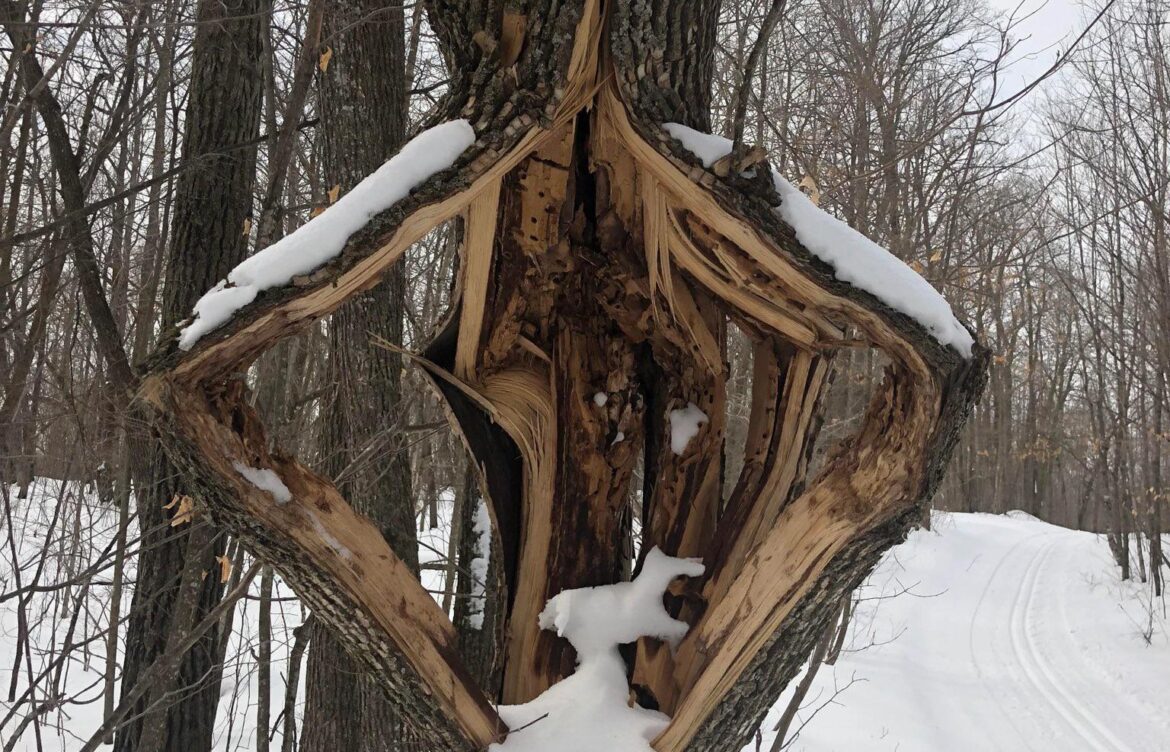
Exploding trees typically occur in particularly cold weather, especially when temperatures plummet rapidly. The key culprit is the moisture within the tree cells. When temperatures drop significantly, the water inside these cells can freeze and expand, leading to tremendous internal pressure. As the pressure builds, it can cause cracks or splits in the bark, ultimately resulting in a condition that appears as if the tree has exploded.
Recent extreme weather events have highlighted this issue. For instance, during the severe cold snap in February 2021, numerous reports emerged from states like Texas and Louisiana describing trees splintering or splitting due to rapid freezing. The phenomenon has also been observed in northern states where harsh winters are more common.
Impact of Exploding Trees
This alarming occurrence not only damages trees but can also pose a significant risk to public safety. Falling branches and splintered trunks can cause injuries to individuals nearby and even property damage. Furthermore, exploding trees can have cascading effects on wildlife, as many animals rely on trees for shelter and sustenance.
In addition to safety risks, there are broader implications for the environment. Trees play a crucial role in carbon sequestration and biodiversity. Damaged trees may struggle to survive, leading to a decrease in forest density, which in turn can affect the overall health of the ecosystem.
Conclusion
As the climate continues to change, the frequency and severity of extreme cold events may increase, leading to a higher likelihood of exploding trees. It is essential for local governments, environmental organizations, and communities to be aware of this phenomenon. By understanding the causes and effects, residents can take necessary precautions, such as monitoring tree health and educating the public on the dangers associated with damaged trees.
Moving forward, forestry experts emphasize the importance of maintaining healthy trees and ecosystems. An increased focus on climate adaptation and tree resilience could mitigate the impact of such extreme weather events and protect both community safety and biodiversity.