The Importance of Nieve: Snow and Its Impact on the Climate
Introduction
Nieve, or snow, plays a crucial role in Earth’s climate and ecosystems. As a vital aspect of the water cycle, snow impacts freshwater resources, wildlife habitats, and weather patterns. Understanding the significance of snow becomes increasingly important as climate change affects snowfall patterns and the overall environment.
The Role of Nieve in Climate
Snow acts as an insulator for the earth, maintaining temperatures below the surface and protecting plants and animals during winter months. Moreover, snow cover in many regions is a critical source of water during warmer seasons, gradually melting and replenishing rivers, lakes, and reservoirs.
Recently, studies have shown that as average global temperatures rise, there is a noticeable decline in snowfall in many areas, particularly at lower elevations. According to data from the National Oceanic and Atmospheric Administration (NOAA), the western United States has experienced a 20% reduction in snowpack over the past century. This decline not only threatens water supply but also alters local ecosystems that rely on predictable snowmelt.
Recent Events and Research
In the past winter, the Western U.S. faced record-low snow falls, raising alarms among scientists and policymakers. In California, for instance, the Sierra Nevada mountains reported snow levels as low as 58% of the historical averages for this time of year. Coupled with already ongoing drought conditions, the implications for agriculture and water management are severe.
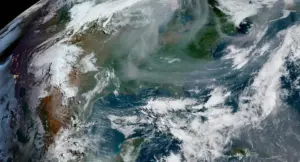
Researchers are actively studying trends in snow accumulation using satellite imagery and climate models to better predict future snowfall and identify areas at risk of becoming drier. These studies show how shifts in global wind patterns and oceanic conditions are directly linked to changes in nieve.
Conclusion
Understanding the importance of nieve is essential for effective water resource management and climate adaptation strategies. Policymakers and communities must consider how declining snow levels are indicative of broader shifts in climate. As we look to the future, heightened awareness around snow’s ecological role and the potential impacts of climate change will be crucial for safeguarding our water resources and natural habitats.