The Importance of Incident Response Plans in Cybersecurity
Introduction
In an age where cyber threats are a daily reality for businesses and organizations of all sizes, having a robust incident response plan (IRP) is critical. An incident response plan not only outlines the procedures to follow in the event of a security breach but also defines roles and responsibilities within the organization. As the frequency and sophistication of cyberattacks continue to grow, the relevance of strong incident response strategies cannot be overstated.
What Are Incident Response Plans?
An incident response plan is a documented strategy designed to detect, respond to, and recover from security incidents. According to a 2023 report from IBM, 83% of companies experienced a data breach in the last year, underscoring the vital need for organizations to have a clear plan in place.
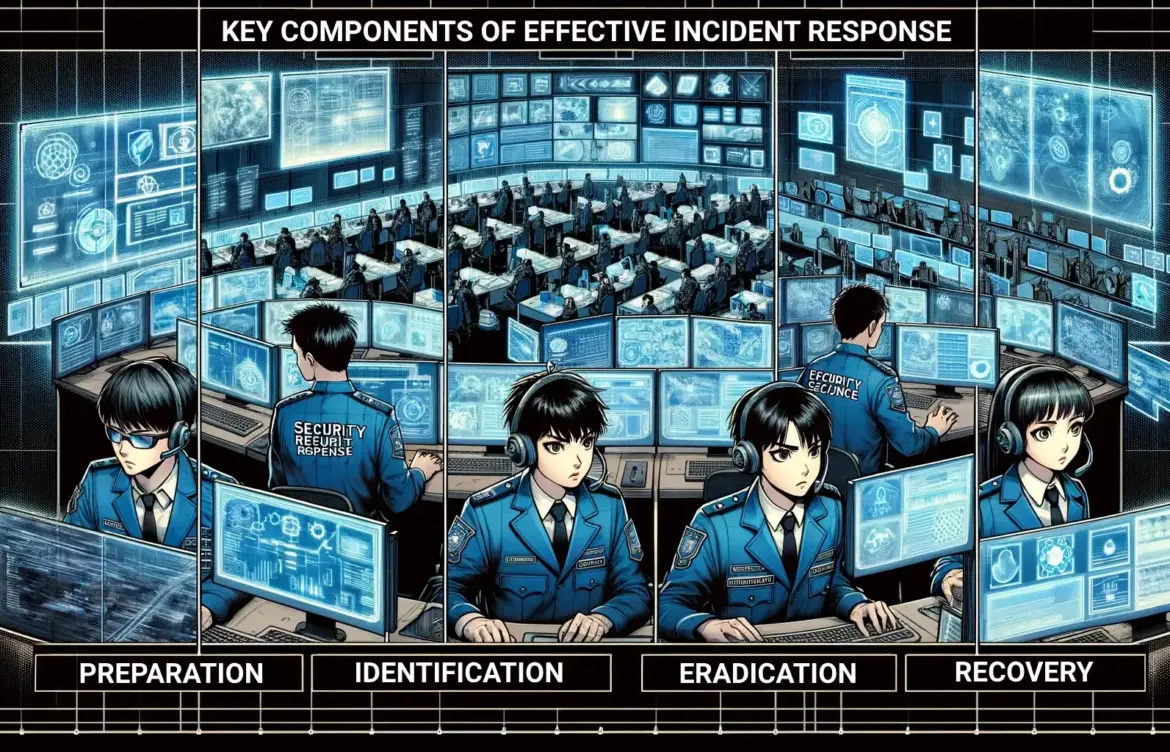
Key Components of an Effective Incident Response Plan
An effective IRP comprises several key components:
- Preparation: This includes training staff, establishing communication protocols, and acquiring the necessary tools to manage incidents.
- Identification: Organizations must be able to recognize security incidents quickly to minimize damage.
- Containment: Limiting the impact of an incident by isolating affected systems is crucial for preventing further damage.
- Eradication: Once an incident has been contained, the next step involves removing the cause of the incident from the environment.
- Recovery: This phase focuses on restoring and validating the system to resume normal operations.
- Lessons Learned: After the incident, organizations should analyze and document what happened to improve future response efforts.
Current Events and Trends
Recent high-profile cyberattacks have reinforced the necessity for incident response plans. The ransomware attack on a major pipeline in May 2021 exposed vulnerabilities and led to significant supply chain disruptions, prompting businesses to reevaluate their response strategies. As cyber laws evolve, regulatory requirements increasingly emphasize the importance of having documented incident response plans, adding to the pressure on corporations to take action.
Conclusion
In conclusion, incident response plans are an essential component of an organization’s cybersecurity strategy. With the increasing frequency of cyber incidents, businesses must not only develop comprehensive plans but also regularly update and test them. By doing so, organizations can safeguard their assets, protect sensitive data, and ensure business continuity. Failure to implement an effective incident response plan poses significant risks—a reality that no organization can afford to ignore.