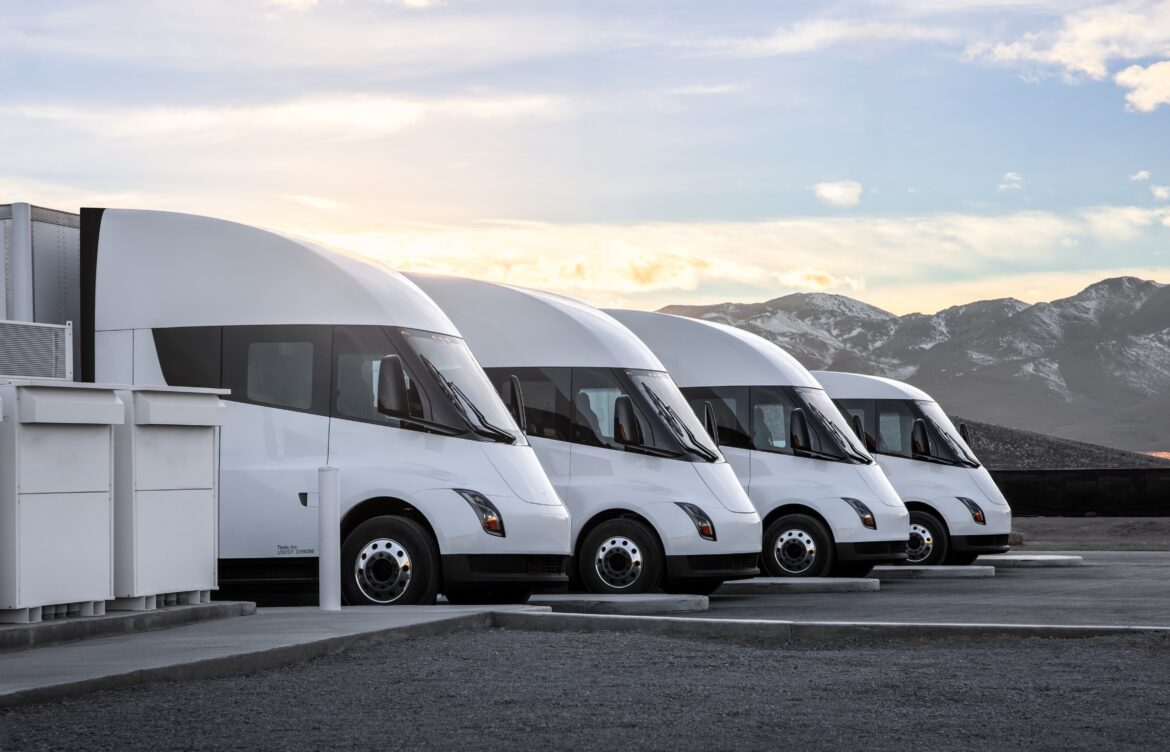
The Impact of Tesla on the Automotive Industry
Introduction
Tesla, Inc., the revolutionary electric vehicle (EV) manufacturer, has significantly influenced the automotive industry and global energy solutions. Founded in 2003, Tesla has not only popularized electric cars but has also spearheaded innovations in battery technology, autonomous driving, and sustainable energy practices. As governments worldwide focus on reducing carbon emissions, Tesla’s contributions are crucial in moving towards a cleaner transportation future.
Current Developments
In recent months, Tesla has made headlines with a series of developments that reinforce its position as a leader in the EV market. In October 2023, Tesla unveiled its new model, the Cybertruck, which has generated significant excitement due to its unique design and enhanced capabilities. The Cybertruck’s production is expected to ramp up next year, promising to attract a diverse segment of truck enthusiasts.
Moreover, Tesla’s advancements in software have bolstered its Autopilot feature, making significant strides towards fully autonomous driving. In September 2023, the company received regulatory approval to expand its Full Self-Driving (FSD) beta program, allowing more customers to access the latest self-driving technologies. This move is expected to accelerate the adoption of autonomous vehicles and reshape urban transportation.
Market Performance
Tesla’s stock has shown resilience despite market volatility, with its shares experiencing a steady increase since mid-2023. Analysts attribute this growth to strong sales figures, exceeding analysts’ expectations, as well as expanding production capacity at its gigafactories in Texas and Berlin. The company reported a 25% increase in global delivery numbers in Q3 2023 compared to the same quarter last year, with over 420,000 vehicles delivered. This increase reflects growing consumer confidence in EVs and Tesla’s brand appeal.
Challenges Ahead
Despite its successes, Tesla faces ongoing challenges, including rising competition from both established automotive giants and new startups entering the EV market. Companies like Ford, Volkswagen, and Rivian are investing heavily in electric vehicles, seeking to capture market share. Additionally, global supply chain disruptions, particularly concerning semiconductor shortages, continue to pose risks that could affect Tesla’s production timelines.
Conclusion
In conclusion, Tesla remains at the forefront of the electric vehicle revolution, driving innovation while navigating an increasingly competitive landscape. As the company expands its product line and improves driving technologies, the automotive industry must respond to its growing influence. For consumers and investors alike, watching Tesla’s next steps will provide valuable insights into the future of transportation and energy sustainability.