The Growing Threat of Doxxing in the Digital Age
Introduction to Doxxing
Doxxing, the act of researching and publicly broadcasting private or identifying information about an individual, has emerged as a significant issue in today’s digital landscape. With the rise of social media and online communication platforms, the concern around doxxing has escalated, affecting not only individuals but also public figures and organizations. Understanding the implications and risks associated with doxxing is crucial as it raises questions regarding privacy, security, and online etiquette.
Recent Incidents Highlighting Doxxing
In recent months, several high-profile doxxing incidents have made headlines, stirring public outrage and concern. For instance, a series of doxxing cases involving political activists and independent journalists have resulted in threats and harassment, forcing many to relocate or take extreme measures to protect their identities. In one notable case, a well-known journalist was doxxed during a live-streamed event, leading to a violent backlash from online trolls.
On another occasion, a university professor’s personal information was shared online after she voiced her opinion on a controversial topic, resulting in intense harassment and threats. These instances underline the dark reality faced by many who express dissenting views or challenge societal norms in the digital space.
Legal and Ethical Considerations
The legal landscape surrounding doxxing varies significantly across jurisdictions. While some states have enacted laws to address harassment and the sharing of private information, comprehensive federal legislation remains lacking in many areas. This creates a grey zone where doxxing can occur with minimal legal repercussions, often leaving victims feeling powerless.
Moreover, ethical considerations surrounding privacy and freedom of expression further complicate the issue of doxxing. While the sharing of information can sometimes serve a public interest, it often crosses ethical lines when it jeopardizes individual safety and privacy.
Preventative Measures and Resources
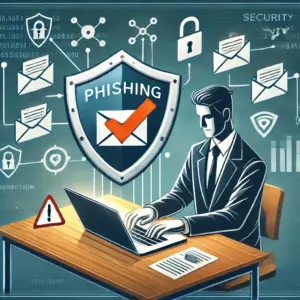
To combat the threat of doxxing, experts recommend several preventative measures. Individuals are urged to adjust privacy settings on social media platforms, avoid sharing sensitive personal information publicly, and be cautious of sharing their location or travel plans online. Additionally, using strong passwords, enabling two-factor authentication, and being vigilant about phishing attempts can enhance personal security.
Conclusion: A Call for Awareness and Action
As doxxing continues to be an alarming trend in our increasingly digital society, raising awareness about its implications is essential. The emotional, psychological, and physical toll on victims of doxxing can be profound. Therefore, it is critical for individuals, communities, and organizations to work together to create safer online environments, respect privacy, and hold accountable those who misuse information. Looking ahead, the need for stronger regulations and public discourse on digital ethics will be crucial in combating the growing threat of doxxing.