The Great Lakes: Importance and Environmental Challenges
Introduction
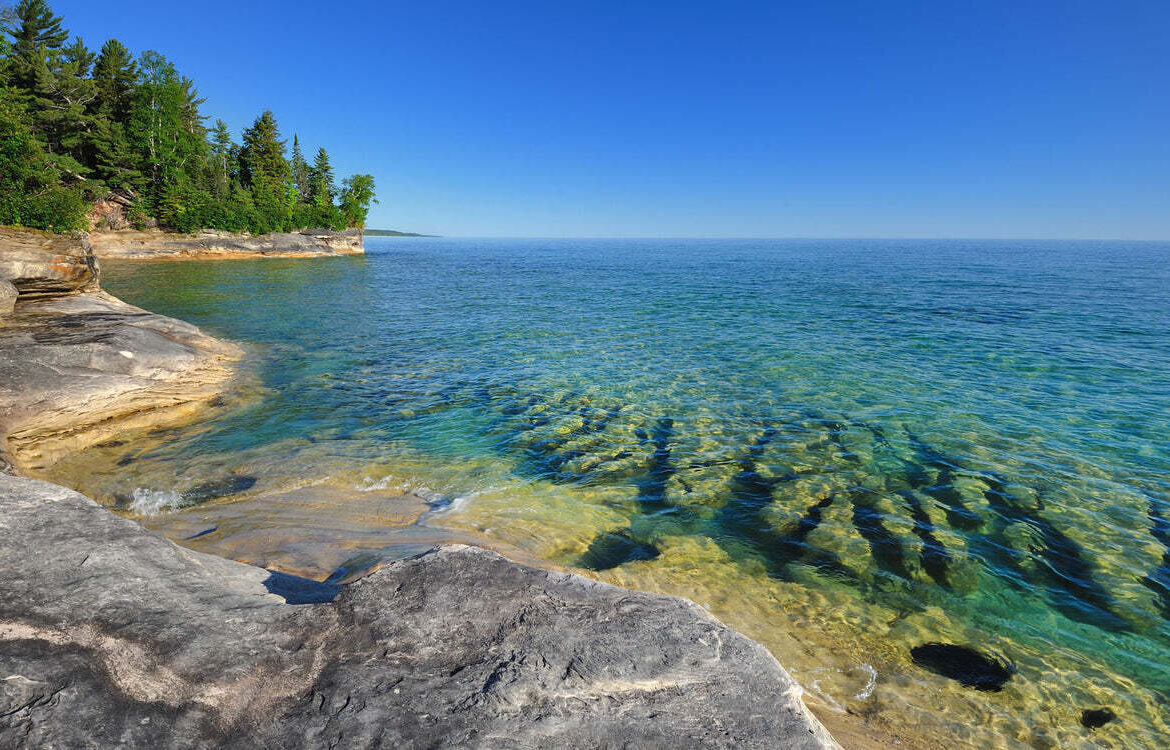
The Great Lakes, comprising Lakes Superior, Michigan, Huron, Erie, and Ontario, are a vital natural resource in North America. They hold approximately 20% of the world’s fresh surface water, supporting diverse ecosystems and millions of people who rely on them for drinking water, recreation, and industry. Recent discussions surrounding climate change, pollution, and invasive species have brought heightened awareness to the region’s environmental challenges.
Current Events and Challenges
In recent months, the Great Lakes region has faced several pressing issues. For instance, harmful algal blooms in Lake Erie have prompted health warnings for local communities and prompted emergency responses. These algal blooms are largely fueled by nutrient runoff, particularly phosphorus, from agricultural practices and urban areas.
In addition to pollution, the Great Lakes ecosystem is also grappling with the impact of climate change. Warmer temperatures have altered water levels, with significant fluctuations reported over the past few years. Research from the Great Lakes Environmental Research Laboratory shows that climate change may result in drought conditions affecting water levels and jeopardizing fish habitats.
Community Action and Environmental Strategies
Community-driven initiatives are addressing these urgent issues. Organizations like the Great Lakes Restoration Initiative (GLRI) are actively working to restore impaired watersheds and enhance local water quality. In 2023, the GLRI allocated over $300 million for various projects aimed at tackling pollution and expanding monitoring programs to combat invasive species.
State and federal agencies are also working collaboratively to establish better management practices. For example, a recent agreement between the states surrounding Lake Michigan aims to reduce nutrient runoff by implementing stricter agricultural guidelines and promoting sustainable farming practices.
Conclusion
The Great Lakes represent a critical resource for both the environment and local communities. Ongoing environmental challenges highlight the need for concerted action and cooperation among various stakeholders. By investing in restoration programs and promoting sustainable practices, it is possible to safeguard the lakes for future generations. As climate change continues to pose threats, monitoring and proactive measures will be crucial in preserving this essential water resource.