Supreme leader ayatollah ali khamenei: Mojtaba Khamenei Appointed as
Transition of Power in Iran
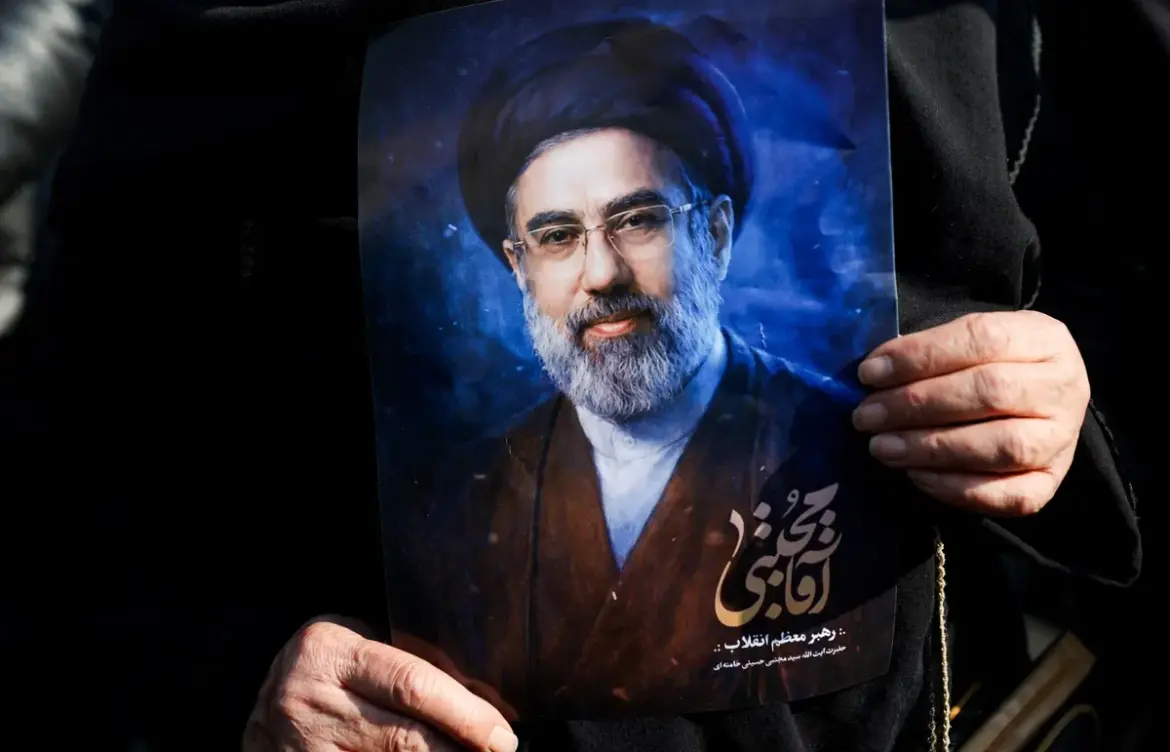
The appointment of Mojtaba Khamenei as Iran’s Supreme Leader on March 9, 2026, marks a pivotal moment in the Islamic Republic’s history. Before this development, expectations were centered around a potential power struggle following the death of his father, the late Supreme Leader Ali Khamenei, who had held the position for over three decades.
The decisive moment came after Ali Khamenei’s death, which was attributed to US-Israeli strikes, leading to an immediate shift in leadership. Mojtaba, who has never held a formal position in government, received swift backing from Iran’s political and security establishment, indicating a consolidation of power in the face of external threats.
In the immediate aftermath of his appointment, mass rallies were organized across Iran to show support for Khamenei. Notably, Oman’s Sultan sent a congratulatory message, and Iraqi Prime Minister Mohammed Shia al-Sudani expressed confidence in Khamenei’s leadership, stating, “We express our confidence in the ability of the new leadership in the Islamic Republic of Iran to manage this sensitive stage.” This reflects a regional expectation for stability under the new Supreme Leader.
Conversely, the appointment has drawn sharp criticism from international figures. US President Donald Trump labeled it a mistake, suggesting uncertainty about Khamenei’s ability to maintain authority. Israel’s Foreign Ministry went further, branding Khamenei a ‘tyrant’ and threatening him, highlighting the ongoing tensions between Iran and Israel.
Russian President Vladimir Putin, however, pledged unwavering support to Iran following Khamenei’s appointment, emphasizing the need for courage and dedication during a time of armed aggression. This endorsement from a major ally underscores the geopolitical ramifications of the leadership change.
The reactions from various countries illustrate the divided perceptions of Khamenei’s leadership. While some regional leaders express hope for stability, others foresee potential conflict, particularly given the historical context of Iran’s contentious relationships with the US and Israel.
Mojtaba Khamenei’s rise to power comes amid a significant crisis for the Islamic Republic, raising questions about the future direction of Iranian politics and its impact on regional dynamics. As the new Supreme Leader steps into his role, the international community watches closely, aware that his leadership will be tested in the coming months.
Details remain unconfirmed regarding the specific policies Khamenei intends to pursue, but the immediate backing from Iran’s establishment suggests a continuity of his father’s legacy, albeit with the challenges of a changing geopolitical landscape.