Governance and Anti-Incumbency: DMK Questions BJP’s Longevity
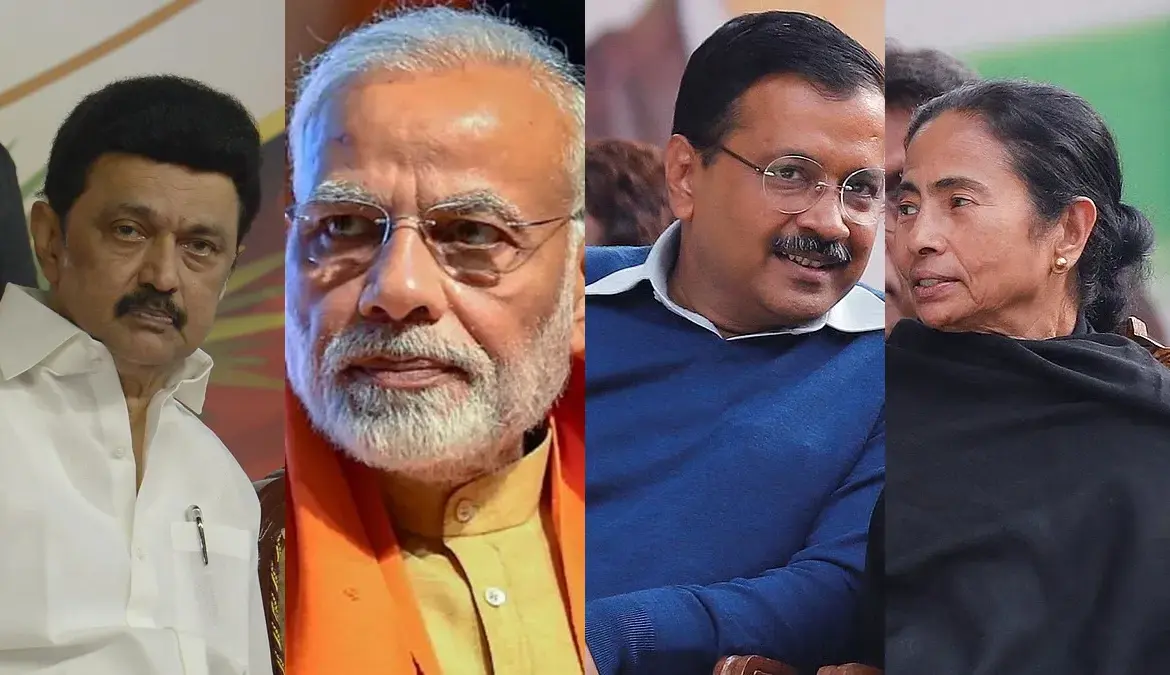
“How is it that the anti-incumbency wave is only seen in opposition-ruled states?” This question from the DMK reflects growing concerns over why BJP-ruled states remain largely unaffected by anti-incumbency sentiments that challenge other political parties.
The DMK points out that the BJP has been in power in Madhya Pradesh for nearly 20 years, with only brief interruptions. In states like Bihar and Assam, the BJP has consistently secured re-election, raising eyebrows among opposition parties.
In contrast, the DMK emphasizes that opposition parties face significant anti-incumbency challenges. For instance, in places like Delhi and Punjab, voter sentiment has shifted against ruling parties, leading to electoral losses.
The DMK’s leadership argues that this discrepancy needs examination. They state, “We need to understand this reality,” pointing to a puzzling situation where the media often portrays the BJP as an unbeatable force despite various governance failures.
Rising prices and unemployment are two pressing issues highlighted by the DMK. They argue these factors should lead to voter dissatisfaction, yet they see little evidence of such discontent affecting the BJP’s hold on power.
The party criticizes what they perceive as a focus on religious sentiments during elections, suggesting this strategy may shield the BJP from accountability for its governance record.
The DMK describes this political landscape as a “puzzle” needing clarity. They question why the actions of BJP-ruled states are not scrutinized with the same rigor as those of opposition-led governments.
This inquiry into governance and electoral dynamics will likely continue as political analysts watch how these factors play out in upcoming elections across India.