Supreme leader ayatollah ali khamenei: Mojtaba Khamenei Appointed as
Transition of Power in Iran
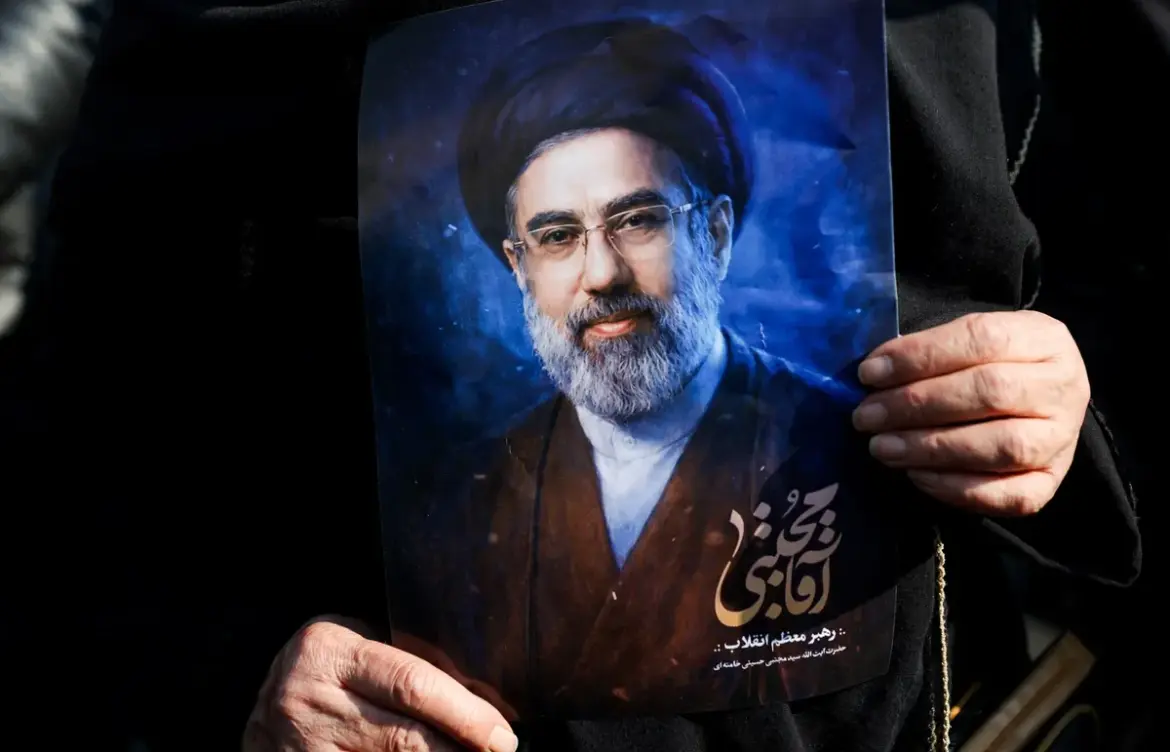
The political landscape in Iran has undergone a significant transformation with the appointment of Mojtaba Khamenei as the Supreme Leader on March 9, 2026. This development follows the death of his father, Ali Khamenei, who had held the position for over three decades. Prior to this transition, expectations were high regarding the continuity of leadership within the Islamic Republic, especially given the ongoing tensions with the United States and Israel.
Mojtaba Khamenei’s ascension to power marks a decisive moment for Iran, coming in the wake of his father’s death due to US-Israeli strikes. His appointment has been met with immediate backing from Iran’s political and security establishment, indicating a desire for stability during a tumultuous period.
The immediate effects of this change have been profound. Mass rallies were held across Iran to support Khamenei, demonstrating a significant level of public backing. Notably, Oman’s Sultan sent a congratulatory message, while Iraqi Prime Minister Mohammed Shia al-Sudani expressed confidence in Khamenei’s ability to lead during this sensitive time.
However, the international response has been mixed. US President Donald Trump criticized Khamenei’s appointment, labeling it a mistake and expressing skepticism about its longevity. In contrast, Russian President Vladimir Putin pledged unwavering support to Iran, emphasizing the challenges the new leader will face.
Israel’s Foreign Ministry took a more aggressive stance, branding Khamenei a ‘tyrant’ and threatening him, reflecting the ongoing animosity between the two nations. The Houthis in Yemen also extended their congratulations, indicating a regional alignment with Khamenei’s leadership.
Experts suggest that Mojtaba Khamenei’s leadership will be closely scrutinized, particularly given his lack of formal government experience. As the son of the late Supreme Leader, he inherits a legacy marked by both internal consolidation and external conflict.
In this context, the future of Iran under Mojtaba Khamenei remains uncertain. While he has garnered support domestically, the international landscape presents significant challenges that could shape his tenure. As Vladimir Putin noted, “At a time when Iran is confronting armed aggression, your tenure in this high position will undoubtedly require great courage and dedication.”
Details remain unconfirmed regarding the full implications of this leadership change, but the immediate reactions from both allies and adversaries highlight the complex dynamics at play in the region.