Recent Advances in Pancreatic Cancer Cure Research
Introduction: The Challenge of Pancreatic Cancer
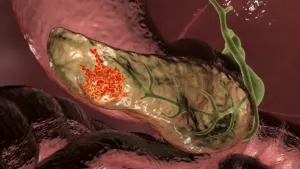
Pancreatic cancer remains one of the most aggressive forms of cancer, with a five-year survival rate of just 10% according to the American Cancer Society. Its late-stage diagnosis and limited treatment options make it a pressing concern in oncology. However, recent advancements in research and technology have sparked hope for potential cures and improved therapeutic strategies.
Current Research and Breakthroughs
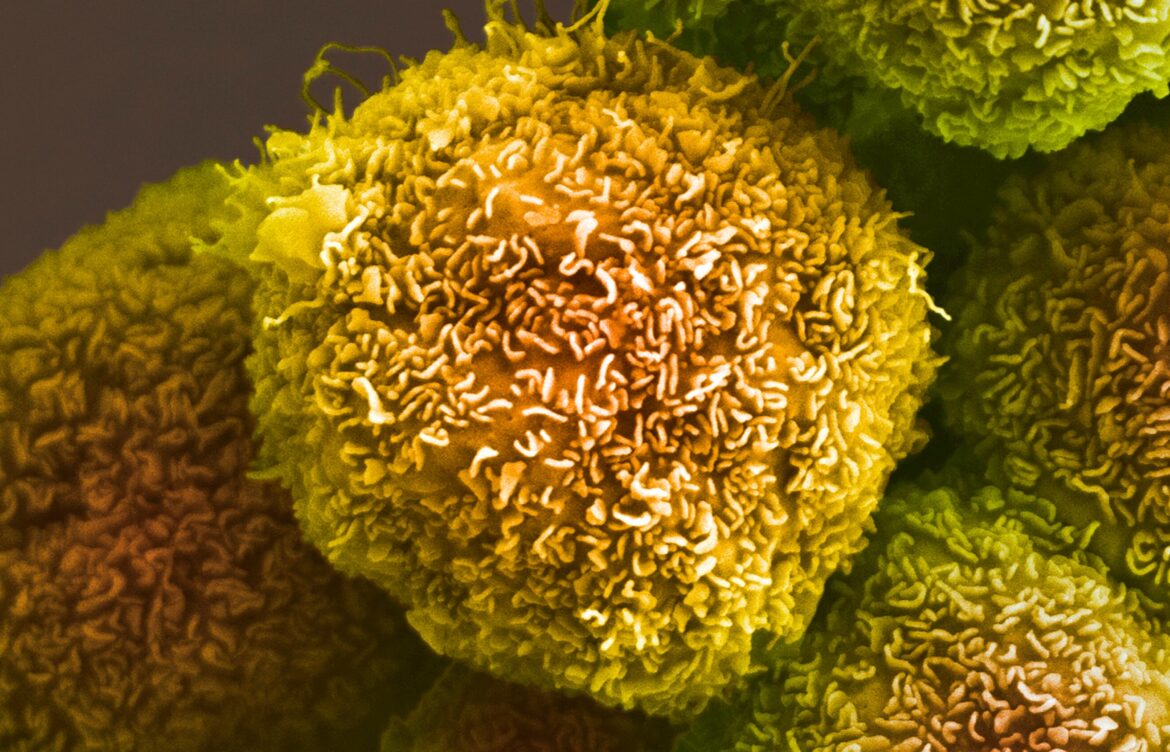
In recent months, multiple studies have focused on the development of novel therapies and potential cures for pancreatic cancer. Notably, researchers at the University of California, San Francisco, have discovered a new drug compound that targets cancer cells with high precision, sparing healthy cells and significantly reducing side effects.
Additionally, clinical trials involving immunotherapy approaches have shown encouraging results. The use of CAR T-cell therapy, which modifies a patient’s own immune cells to attack cancer, has demonstrated an ability to shrink tumors in some patients. Furthermore, a combination of chemotherapy and experimental drugs, including agents that enhance the immune response, is being tested with promising preliminary outcomes.
Importance of Early Detection
Early detection remains a pivotal factor in increasing the survival rates associated with pancreatic cancer. Research presented at the American Society of Clinical Oncology’s annual meeting highlighted a new biomarker-based blood test that can detect pancreatic cancer at significantly earlier stages than current methods. This could lead to earlier interventions and potentially curative treatments.
Future Outlook and Significance
As research continues to evolve, the hope of finding a pancreatic cancer cure grows more tangible. Experts believe that a multi-faceted approach, combining early detection, advanced drug therapies, and personalized medicine, will yield the best outcomes for patients. The recently developed therapies, should they prove successful in ongoing trials, may revolutionize how pancreatic cancer is treated.
In conclusion, while pancreatic cancer poses significant challenges, the rapid advancements in research and the promise of new treatment options signal a hopeful future. For patients and families affected by this disease, remaining informed about these developments could lead to better health outcomes and improved quality of life.