Health Alert: Wake County Measles Outbreak Explained
Introduction
The recent measles outbreak in Wake County, North Carolina, has sparked concern among health officials and residents alike. Measles, a highly contagious viral infection, can lead to serious complications, particularly in young children and those with compromised immune systems. As of late October 2023, public health authorities are working diligently to monitor the situation and prevent further spread of the virus.
Current Situation
According to the Wake County Public Health Department, there have been 15 confirmed cases of measles since the outbreak was declared in early October. The cases are primarily among unvaccinated children and adults. In response to the outbreak, health officials have ramped up vaccination efforts and are encouraging everyone, especially those in close contact with confirmed cases, to ensure they are up to date on their measles vaccinations.
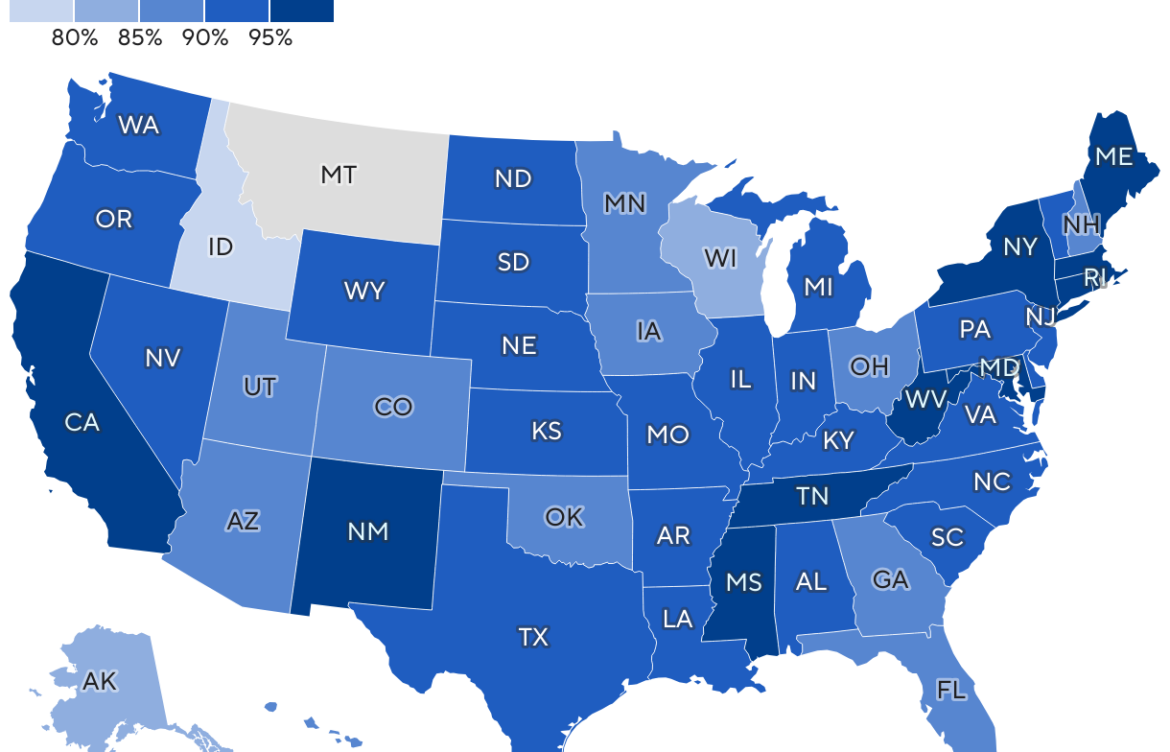
Measles was declared eliminated in the United States in 2000, thanks to widespread vaccination efforts. However, recent years have seen a troubling resurgence of the disease, often in areas with low vaccination rates. The outbreak in Wake County is a stark reminder of the importance of maintaining high vaccination coverage in communities to protect against vaccine-preventable diseases.
Preventive Measures and Community Response
In an effort to curb the outbreak, the Wake County Health Department is conducting outreach to schools and childcare centers to provide information on the symptoms of measles, the importance of vaccination, and public health recommendations. Health officials are also working with local healthcare providers to ensure they recognize symptoms and report suspected cases promptly.
Local residents have been encouraged to get vaccinated and report any suspicious symptoms, including a high fever, cough, runny nose, and distinctive red rash. Public health campaigns are leveraging social media and community resources to combat misinformation about vaccines and emphasize the safety and efficacy of the measles, mumps, and rubella (MMR) vaccine.
Conclusion
The Wake County measles outbreak highlights the ongoing challenges of vaccine hesitancy and its impact on public health. Experts predict that unless vaccination rates improve, similar outbreaks could occur in the future, not just in North Carolina but across the country. Public health officials continue to stress the importance of vaccination as the most effective means of preventing measles and protecting community health. Ongoing education and outreach, as well as collaboration with community leaders, will be vital in ensuring that families understand the importance of vaccines in safeguarding the health of their children and the broader community.