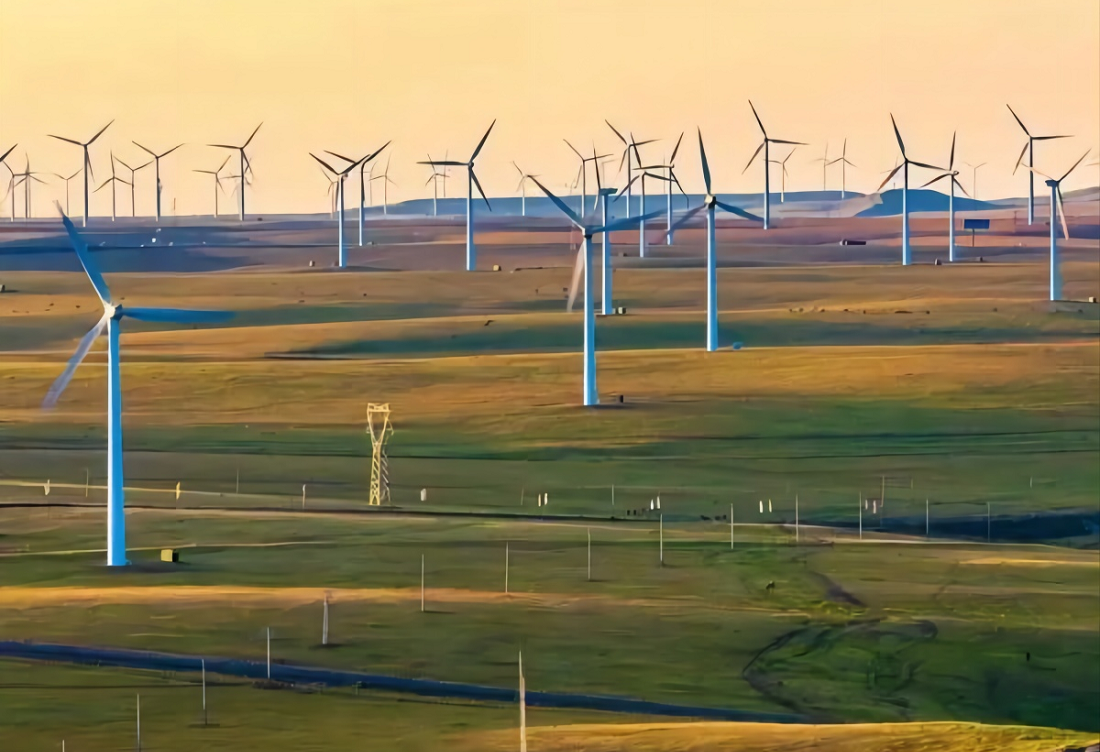
China’s Commitment to Wind Farms and Renewable Energy
The Significance of Wind Farms in China
As the world’s largest producer of greenhouse gas emissions, China’s shift towards renewable energy sources like wind power is crucial for mitigating climate change. Wind farms have gained immense significance in China’s energy portfolio, with the nation leading the world in wind energy capacity.
Current Developments in China’s Wind Energy Sector
In 2023, China’s wind farms generated approximately 320 billion kilowatt-hours, marking a growth rate of over 10% from the previous year. This remarkable increase illustrates China’s ambitious goal of reaching 1,200 gigawatts of installed wind capacity by 2030. The country’s wind energy sector benefited from favorable government policies aimed at boosting investment, along with technological advancements that have increased efficiency and productivity.
Geographical Distribution and Investment
China’s wind farms are predominantly located in northern and western regions, such as Inner Mongolia and Xinjiang, where wind resources are abundant. The government continues to invest heavily in infrastructure to support grid connectivity for these remote wind farms, allowing for efficient energy distribution to densely populated urban centers. According to the National Energy Administration, investments in wind energy reached over $70 billion in the last year alone, showcasing China’s prioritization of renewable energy development.
Environmental and Economic Impact
The expansion of wind farms plays a pivotal role in reducing air pollution and creating jobs. The wind energy industry is projected to employ over 1 million workers by 2025, contributing to local economies and providing sustainable job opportunities. Additionally, transitioning to wind energy is expected to save billions in health costs associated with air pollution.
Challenges Ahead
Despite these strides, China’s wind energy sector faces challenges, including regulatory hurdles, land use conflicts, and the need for technological innovation. Furthermore, integrating wind energy into the national grid remains a critical hurdle, as infrastructure must adapt to accommodate the growing share of intermittent energy sources.
Conclusion: The Future of China’s Wind Farms
As China continues to invest in and expand its wind farm capacity, the global energy landscape will be significantly influenced. With international collaborations and advancements in technology, China aims to become a leader in renewable energy, paving the way for other countries to follow. The developments in China’s wind energy sector not only bolster its energy security but also serve as a template for achieving a sustainable energy future worldwide.