Wildfires in California: A Growing Threat
Introduction
Wildfires have become an increasingly concerning issue across the United States, with California often being at the forefront of this environmental crisis. This summer, California is again grappling with severe wildfires, affecting air quality, wildlife, and local communities. The implications of these wildfires extend beyond just local impacts, affecting global climate change and highlighting the urgent need for forest management and climate action.
Current Situation
As of mid-September 2023, California has experienced several large wildfires, including the historic McKinney Fire which burned over 60,000 acres in Northern California. Firefighters have struggled to manage these blazes, especially with dry conditions exacerbated by climate change and periodic heatwaves. With the state’s fire response agencies stretched thinner than ever, many regions are on high alert as new fires spark across the typical fire season.
Impact on People and Environment
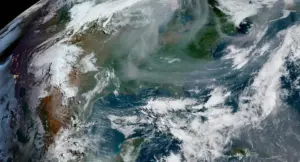
These wildfires have led to mandatory evacuations in various counties, forcing thousands of residents to leave their homes. Moreover, the smoke from wildfires has caused hazardous air quality across the state, prompting health advisories for vulnerable populations. The environmental impact is observed not only through the immediate destruction of forests and habitats but also through the long-term effects of carbon emissions from the burning vegetation. The destruction of over 40 million trees in California due to drought conditions and pests has created a perfect storm for wildfires to spread more easily.
Looking Ahead
Forecasts indicate that as climate patterns continue to evolve, the frequency and intensity of wildfires in California may increase. Experts emphasize the importance of preventive measures, including forest management and controlled burns, to mitigate the impact of wildfires. In addition, funding for firefighting resources and community preparedness programs are becoming crucial as the state prepares for another potentially devastating fire season.
Conclusion
The situation in California serves as a critical reminder of the growing threat of wildfires in the face of climate change. As communities grapple with the immediate impacts, there is an urgent need for comprehensive policy changes and grassroots efforts to minimize the risk of future wildfires. Residents are encouraged to stay informed about local fire conditions and participate in community preparedness initiatives. The resilience of California’s landscapes and its communities largely depends on collective efforts in addressing the underlying factors contributing to wildfires.