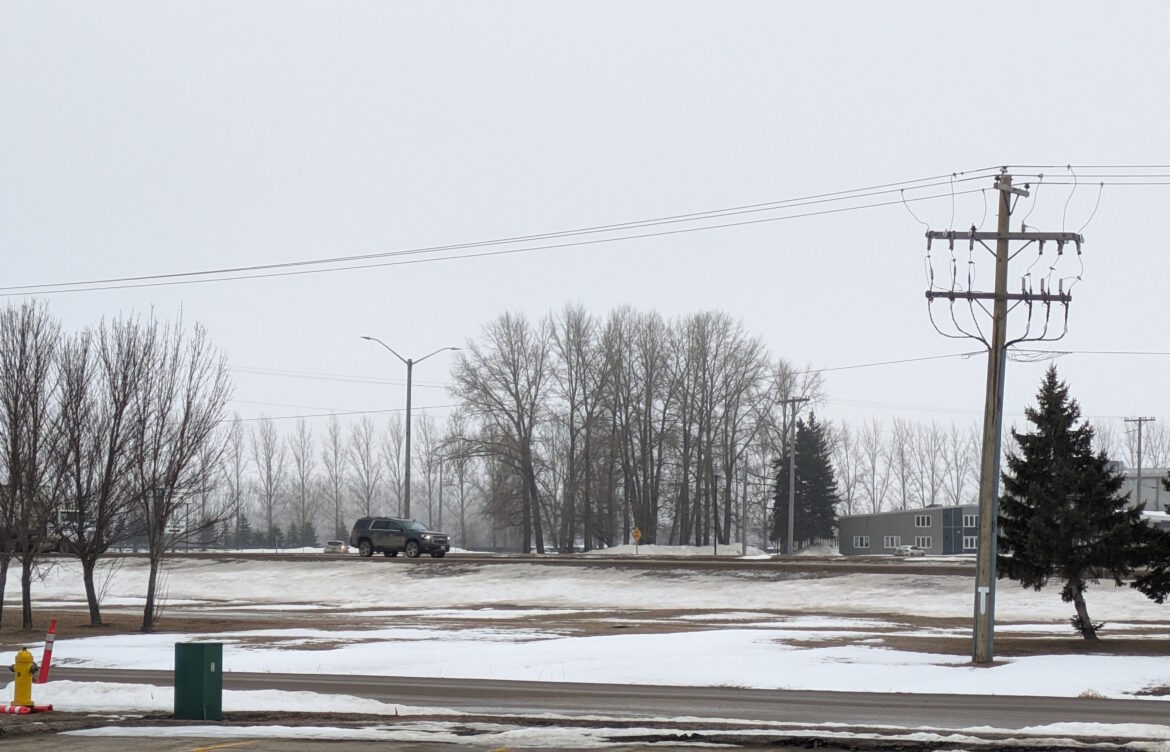
What You Need to Know About Freezing Fog Advisory
Introduction
Freezing fog is a weather phenomenon that can lead to dangerous driving conditions and significant disruptions. It occurs when moisture in the air freezes on contact with surfaces, forming a layer of ice. Recently, meteorologists have issued multiple freezing fog advisories across various states, emphasizing the importance of awareness and preparation, particularly during winter months.
The Science Behind Freezing Fog
Freezing fog typically forms in humid, cold conditions when temperatures fall below the freezing point. The tiny water droplets suspended in the air become supercooled, meaning they remain in liquid form even though they are below 32°F (0°C). When these droplets come into contact with objects—such as roads, trees, and vehicles—they can freeze upon contact, creating a hazardous layer of ice.
Recent Freezing Fog Advisories
In early January 2024, parts of the Midwest and Northeast U.S. experienced widespread freezing fog. States like Wisconsin, Minnesota, and New York issued advisories warning residents of reduced visibility and treacherous road conditions. According to the National Weather Service, these advisories are crucial as they provide guidance on when it is safest to travel or when precautions should be taken. State highway departments have been working overtime to manage road conditions, deploying salt and sand mixtures to mitigate ice formation.
Impact on Daily Life
The effects of freezing fog can be far-reaching. Reduced visibility can lead to vehicle accidents, while icy conditions can pose slips and falls for pedestrians. Schools and businesses often adjust their schedules, and commuters are urged to proceed with caution. Recent advisories prompted many local authorities to share safety tips such as keeping a safe distance between vehicles, using low beam headlights, and allowing extra time to reach destinations.
Conclusion
As freezing fog advisories become more common during winter months, understanding this weather phenomenon is essential for maintaining safety. Meteorologists suggest staying informed through reliable weather channels and adhering to local advisories. With proper precautions, individuals can navigate the challenges posed by freezing fog. Looking ahead, it is advisable for the public to prepare for similar weather events, as climate trends may lead to more frequent occurrences. Increased awareness and preparedness can help mitigate hazards associated with freezing fog.