What You Need to Know About Freeze Warnings
Introduction to Freeze Warnings
As winter approaches in the United States, weather patterns can lead to severe cold spells that prompt the issuance of freeze warnings. These warnings are crucial for informing the public about potential dangers posed by freezing temperatures, which can affect agriculture, infrastructure, and personal safety.
What is a Freeze Warning?
A freeze warning is issued by the National Weather Service (NWS) when temperatures are expected to fall below 32 degrees Fahrenheit (0 degrees Celsius) for several hours. These warnings typically alert residents in affected areas to the risks of frost, which can damage crops, harm outdoor plants, and create hazardous driving conditions. Areas most likely to receive such warnings include agricultural regions and places with vulnerable populations.
Recent Freeze Warnings
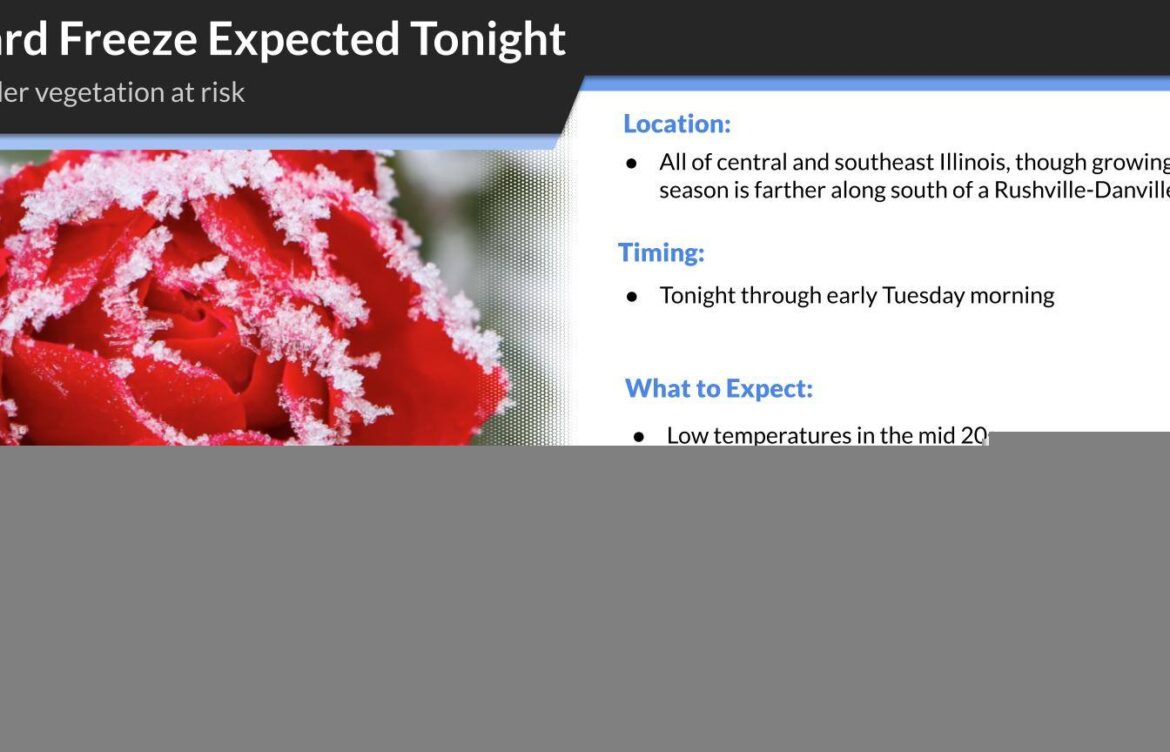
This year, multiple regions across the Midwest and Northeast have experienced a series of freeze warnings. For instance, a recent cold front in October 2023 saw temperatures plummet to near freezing, prompting alerts in states like Michigan, Illinois, and New York. Farmers and gardeners were advised to cover or bring in sensitive plants, while local governments reminded residents to disconnect outdoor hoses and prepare for potential plumbing issues.
Impacts and Precautions
The implications of freeze warnings stretch beyond agriculture. In addition to affecting crops, frost can cause infrastructure issues, such as ice forming on roads and sidewalks, making travel dangerous. Consequently, residents are encouraged to take precautions, such as allowing faucets to drip overnight to prevent pipes from freezing and checking on vulnerable neighbors. Additionally, pet owners should ensure their animals are sheltered from the cold.
Conclusion and Future Considerations
Understanding freeze warnings and taking them seriously is vital, especially as climate patterns fluctuate and weather events grow more unpredictable. Staying informed through local weather updates and preparing adequately can help mitigate the risks associated with cold temperatures. As the winter months progress, it is essential to remain vigilant about weather forecasts and continue following safety recommendations from officials. With the right measures, communities can protect themselves against the harsh impacts of freezing conditions.