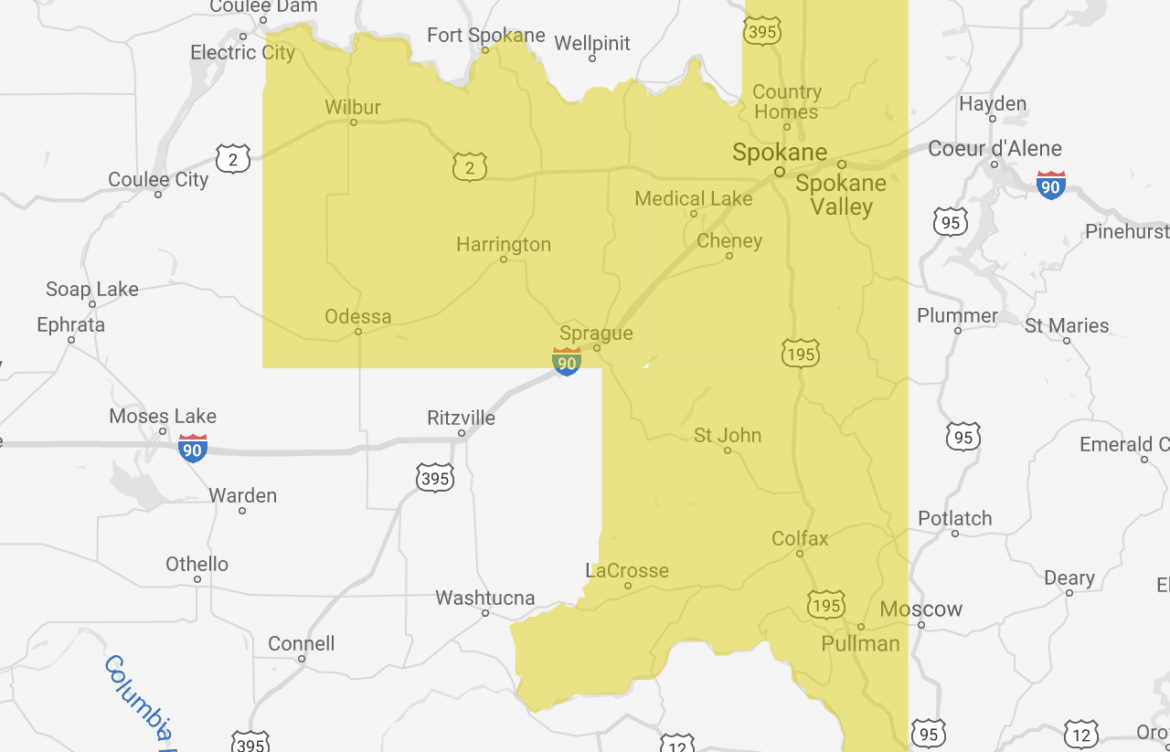
What You Need to Know About Fire Weather Watch Alerts
Introduction to Fire Weather Watches
As the climate continues to change and conditions become more volatile, understanding wildfire risks has never been more crucial. A Fire Weather Watch is an advanced alert issued by meteorological services that indicates conditions are favorable for the development of wildfires. These watches are important for informing the public, authorities, and emergency responders about possible fire outbreaks, enabling them to take preventive measures and mitigate risks.
What Does a Fire Weather Watch Mean?
A Fire Weather Watch is typically issued when weather forecasts predict conditions that could lead to explosive wildfire growth. Key factors include low humidity levels, high temperatures, and strong winds. For example, in October 2023, meteorologists in California issued multiple Fire Weather Watches as dry air and wind gusts were expected across central and southern regions, affecting millions of residents. The unpredictability of wildfires during these conditions can quickly escalate, making timely communication critical.
Recent Events and Their Implications
In the past few months, various regions in the western United States, particularly California and Oregon, have experienced severe wildfire seasons. Data from the National Interagency Fire Center shows that wildfires in these areas have increased significantly. In September 2023 alone, over 3,000 wildfires were recorded in California, resulting in thousands of evacuations and loss of homes. These alarming statistics underline the importance of Fire Weather Watches as they give residents and firefighters time to prepare and respond effectively. Emergency management officials urge the public to remain vigilant during these alerts, reviewing evacuation routes and securing properties as a precaution.
Conclusion: Staying Informed and Prepared
Fire Weather Watches are an essential tool in the fight against wildfires, allowing communities to prepare for potential threats. They serve as a reminder of the importance of emergency preparedness and the need to stay informed about changing weather conditions, especially in fire-prone areas. As global temperatures continue to rise, it is crucial for residents in vulnerable areas to heed these alerts and maintain readiness. Looking ahead, it is expected that such alerts will become increasingly frequent, necessitating a collective effort from individuals, communities, and governing bodies to enhance fire prevention measures and educate the public about wildfire risks.