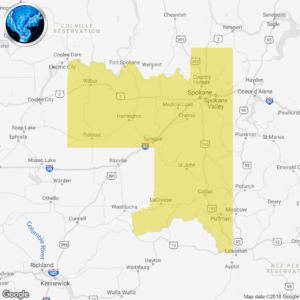
Understanding Flash Flood Warnings and Their Impact
The Importance of Flash Flood Warnings
Flash flood warnings are crucial alerts issued by the National Weather Service (NWS) to inform the public of imminent flooding threats. These warnings can save lives and property by allowing individuals to take necessary precautions in time. In the United States, flash floods account for more deaths than any other weather-related hazard, making it essential for residents in vulnerable areas to stay vigilant.
Recent Events
In late September 2023, several regions in the Midwest faced intense rainfall leading to multiple flash flood warnings. Areas like Chicago and surrounding counties were impacted as thunderstorms dumped more than 4 inches of rain within hours, resulting in rapidly rising water levels. Emergency services reported rescues and evacuations, as many residents were caught off guard. The alerts were broadcasted across various media, including radio, television, and smartphone applications, emphasizing the role of technology in improving public awareness.
Understanding Flash Flood Warning Systems
Flash flood warnings are categorized based on the severity and immediacy of the threat. There are typically three levels of alerts – watch, advisory, and warning. A watch indicates that conditions are favorable for flooding, an advisory suggests that flooding is possible, while a warning signifies that flooding is occurring or will occur shortly, requiring immediate action.
Why Flash Floods Occur
Flash floods can be triggered by heavy rainfall, storm surges, rapid snowmelt, or dam breaks. Urban areas are particularly susceptible due to the prevalence of impervious surfaces that prevent water absorption and lead to heightened runoff. Events can develop rapidly, often within six hours of heavy rainfall, stressing the importance of timely warnings.
Safety Measures to Consider
Residents in areas prone to flash flooding should have a safety plan in place. During a flash flood warning, it’s vital to move to higher ground immediately and avoid floodwaters. Emergency kits should include essential supplies such as food, water, medications, and backup communication devices. Additionally, individuals are encouraged to stay informed through local news or weather apps to receive real-time updates.
Conclusion
As climate change continues to influence weather patterns, the frequency and intensity of flash floods may increase. Understanding flash flood warnings and their significance can better prepare communities for potential disasters. Being aware of warning systems and developing personal safety plans can not only protect lives but also help in disaster response and recovery.