What is a Snow Squall and Why It Matters
Introduction to Snow Squalls
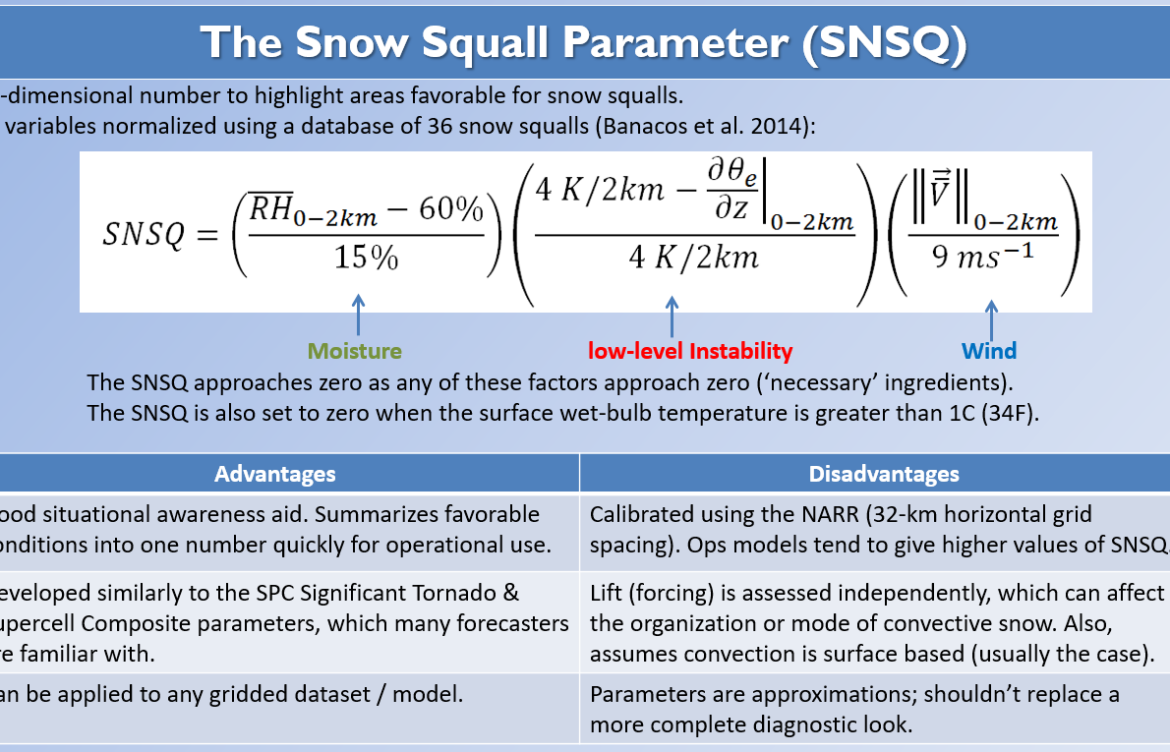
Snow squalls are intense, short-lived snowstorms that can produce sudden whiteouts and hazardous driving conditions. Understanding snow squalls is crucial for safety during winter months, especially for those living in areas prone to harsh weather. These phenomena occur due to atmospheric instability and can catch even the most prepared individuals off guard.
Characteristics of a Snow Squall
Snow squalls are characterized by rapid onset of heavy snowfall, often leading to reduced visibility below a quarter of a mile in a matter of minutes. They can also produce strong winds, which contribute to dangerous wind chill factors. The precipitation typically lasts for less than an hour but can deposit several inches of snow, creating treacherous conditions on the roads.
Recent Events and Impact
This winter season has already witnessed several instances of snow squalls across large parts of the Midwest and Northeast United States. In January 2024, the National Weather Service (NWS) issued multiple snow squall warnings across states like Pennsylvania, New York, and Ohio, leading to multiple accidents and traffic disruptions. These warnings serve as critical alerts to allow the public to take precautions.
Safety Measures
It’s vital to take snow squalls seriously, especially when traveling. Here are a few safety tips to consider:
- Stay Informed: Monitor weather forecasts and heed warnings from the NWS.
- Avoid Travel: If a snow squall warning is in effect, consider delaying travel plans until conditions improve.
- Prepare Your Vehicle: Keep an emergency kit in your car and ensure it is winter-ready.
Conclusion
Snow squalls are rapid, dangerous weather events that can pose serious risks to safety and mobility. Understanding what they are and staying informed is essential for minimizing their impact. As climate variations continue to influence weather patterns, it’s likely that snow squalls will remain a significant concern for regions affected by winter storms. Planning ahead can save lives and reduce the likelihood of accidents during these severe weather conditions.