What is a Snow Squall? A Comprehensive Overview
Introduction to Snow Squalls
As winter approaches, many regions experience sudden and severe weather phenomena. Among these, snow squalls have garnered attention due to their intensity and unpredictability. A snow squall is a brief but intense period of heavy snowfall, often accompanied by strong winds and reduced visibility. Understanding this weather event is crucial, particularly for those living in areas prone to winter storms, as it can significantly impact travel and daily activities.
The Characteristics of Snow Squalls
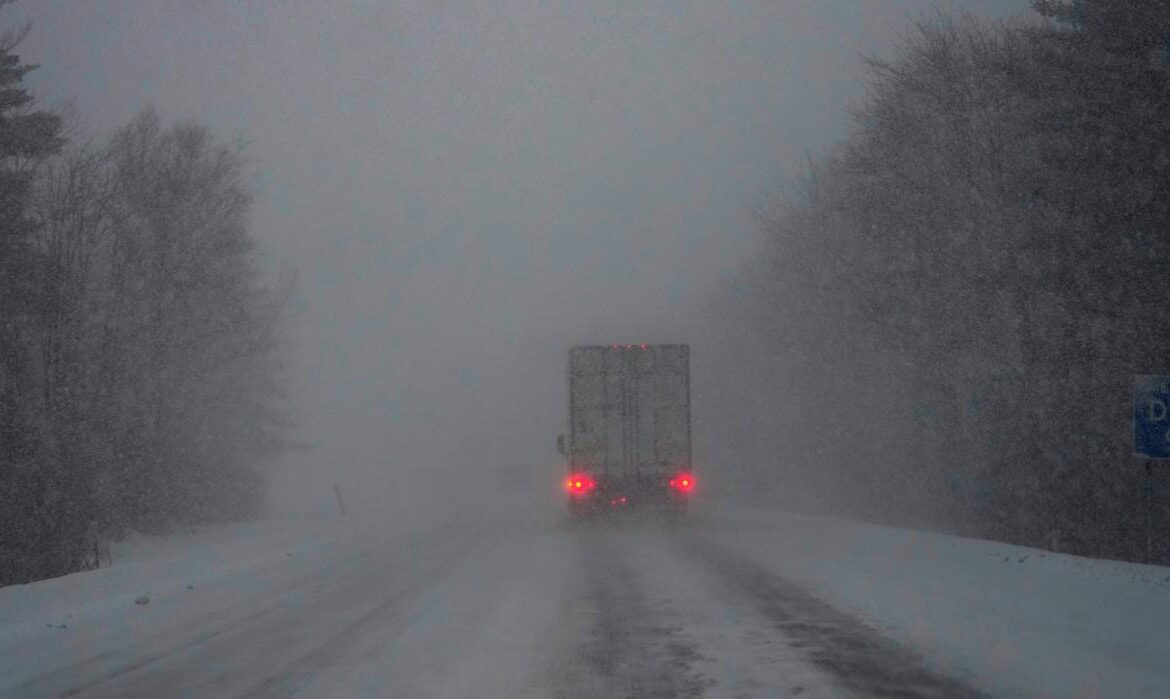
Snow squalls are characterized by sudden changes in weather conditions. They can drop a significant amount of snow in a very short time, typically less than an hour, which can lead to hazardous driving conditions and limited visibility. According to the National Weather Service (NWS), snow squalls are often associated with a cold front and can bring gusty winds, creating whiteout conditions. The snowfall can accumulate rapidly, making roads treacherous and increasing the risk of accidents.
In terms of duration, snow squalls generally last just a few minutes to a couple of hours, but their impact can be severe. The snow may fall at rates of 1 to 2 inches per hour, resulting in a significant reduction in visibility and creating dangerous conditions for motorists.
Recent Events and Warnings
In December 2023, several regions across the northeastern United States experienced alarming snow squalls. The NWS issued multiple warnings urging residents to remain vigilant while traveling. In some areas, snow squalls caught drivers off guard, leading to accidents and traffic complications. For instance, in Pennsylvania, snow squalls were linked to a multi-vehicle pileup on the interstate due to sudden whiteout conditions.
The increase in frequency and severity of these phenomena has raised concerns about their relationship to broader climate patterns. While it is challenging to draw direct connections, some meteorologists suggest that changing climate could influence weather systems causing more unpredictable and intense winter events.
Conclusion: The Importance of Awareness
Snow squalls, while brief, can have significant implications for safety and transportation during winter months. It is vital for residents in affected areas to stay informed and heed weather warnings from reliable sources. Understanding the characteristics of snow squalls can help individuals prepare and respond effectively. As weather patterns continue to evolve, being aware of the risks associated with snow squalls remains ever-important for public safety and preparedness.