West bengal assembly election results
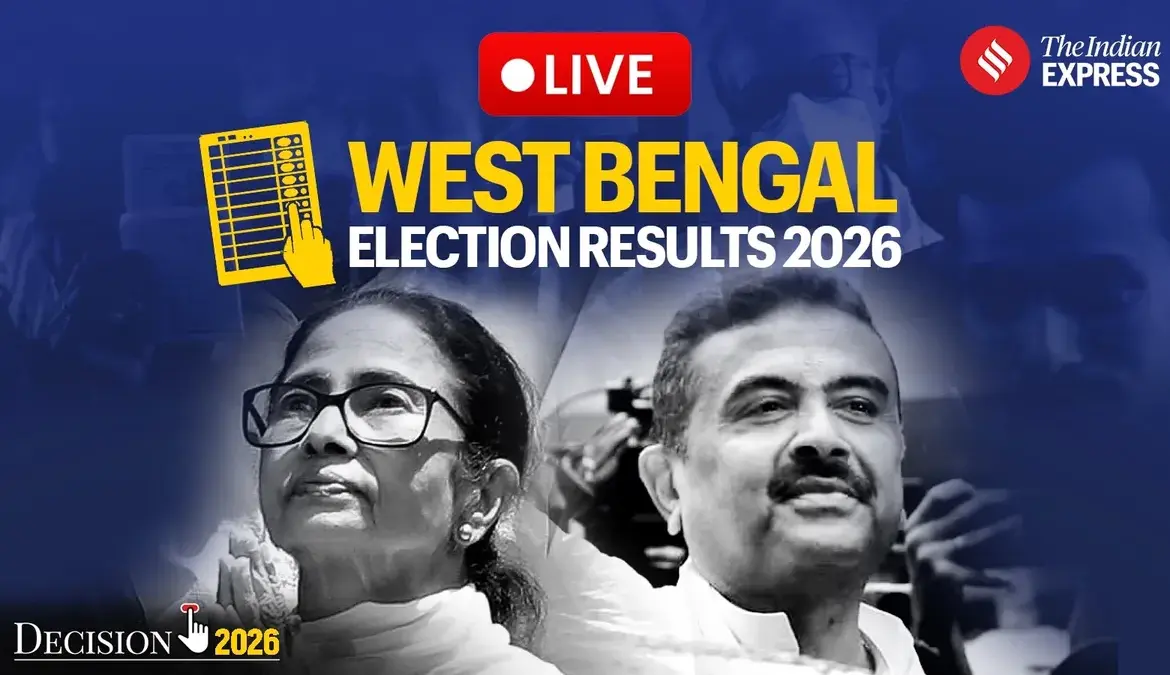
The West Bengal Assembly election results on May 4, 2026 are pivotal as they could determine the future of Mamata Banerjee’s leadership against a resurgent BJP. With a voter turnout of 92.5%, the stakes have never been higher for both the Trinamool Congress (TMC) and the Bharatiya Janata Party (BJP).
As the sun rose on that day, counting began at 8 AM sharp. The excitement and tension in polling booths across West Bengal reflected the importance of this election. Mamata Banerjee, seeking a fourth consecutive term as Chief Minister, faced off against a BJP determined to break through in what it has long called its “last frontier.”
In preparation for this election, officials removed 91 lakh voters from the electoral rolls, with around 27 lakh cases sent to adjudication tribunals. This Special Intensive Revision (SIR) of electoral rolls became a point of contention during the campaign, raising questions about its impact on voter participation.
The implications of these changes are profound. As one analyst noted, “If the final result is narrow, the SIR will instantly become the dominant lens through which it is read.” This sentiment resonates with many voters who feel uncertain about their representation.
Historically, TMC secured a significant victory in Uluberia Uttar during the last assembly elections, winning by a margin of 21,003 votes. Yet this time around, the BJP aims to cross the critical threshold of 100 seats in the assembly—a goal that would mark a substantial shift in West Bengal’s political landscape.
As families gathered around radios and televisions to hear updates on their constituencies, conversations buzzed with speculation: “Will Mamata Banerjee secure a fourth consecutive term, or will the BJP manage to breach what it has long called its ‘last frontier’?” The outcome not only affects party leadership but also sets the tone for national narratives between these two powerful parties.
With results expected soon, everyone is on edge—citizens and politicians alike. As one local resident expressed, “This election feels different; it’s not just about local issues but about our identity as West Bengalis.” The counting process continues to unfold, and all eyes remain fixed on how this pivotal moment will shape the future.