War in Iran: A Community Concern
The ongoing war in Iran raises a pressing question: Is there a path to peace amidst the turmoil? U.S. President Donald Trump recently claimed that Iran is eager for a deal to end the conflict, suggesting a potential shift towards negotiations. However, the reality on the ground tells a different story.
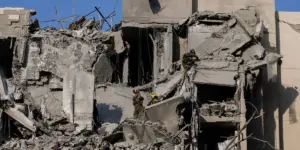
As of March 2026, the war has claimed the lives of over 2,000 people, with Iran’s Health Ministry reporting more than 1,500 deaths within its borders alone. Israeli strikes have added to the devastation, resulting in over 1,000 fatalities in Lebanon and displacing more than a million people. The humanitarian crisis continues to deepen.
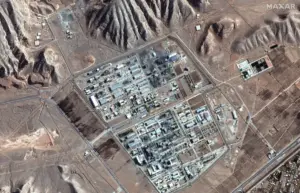
Iran has made significant advancements in its nuclear capabilities, having completed 99% of the centrifuge work required to produce weapons-grade uranium for nine nuclear weapons. As of June 2025, it possesses 440.9 kilograms (972 pounds) of highly enriched uranium. This alarming development raises concerns about regional security and the potential for further escalation.
Despite Trump’s assertions that Iran wants “to make a deal,” Iranian officials, including Mohammad Bagher Qalibaf, have stated that no negotiations have been held with the U.S. This disconnect highlights the complexities of the situation and the challenges in achieving a diplomatic resolution.
Iran’s paramilitary Revolutionary Guard has vowed retaliation if the U.S. follows through on threats, indicating a readiness for further conflict. Meanwhile, countries like Pakistan, which has a Strategic Mutual Defence Agreement with Saudi Arabia, are closely monitoring the situation, given their significant trade ties with both Iran and Saudi Arabia.
With Pakistan’s Shia population constituting roughly 20 percent of the country, the implications of the war extend beyond borders, affecting communities and families across the region. The bilateral trade between Pakistan and Iran stands at approximately US$3 billion, underscoring the interconnectedness of these nations.
As the conflict continues, the psychological warfare surrounding it raises concerns about the stability of the Strait of Hormuz and energy markets. The Tasnim news agency warns that without a resolution, calm will not return to these vital areas.
Details remain unconfirmed regarding the identity of the Iranian leader that U.S. envoy Steve Witkoff and Jared Kushner spoke with, and the exact nature of the negotiations between the U.S. and Iran remains unclear. As communities grapple with the fallout of this war, the hope for peace hangs in the balance.