Voting percentage in west bengal 2026
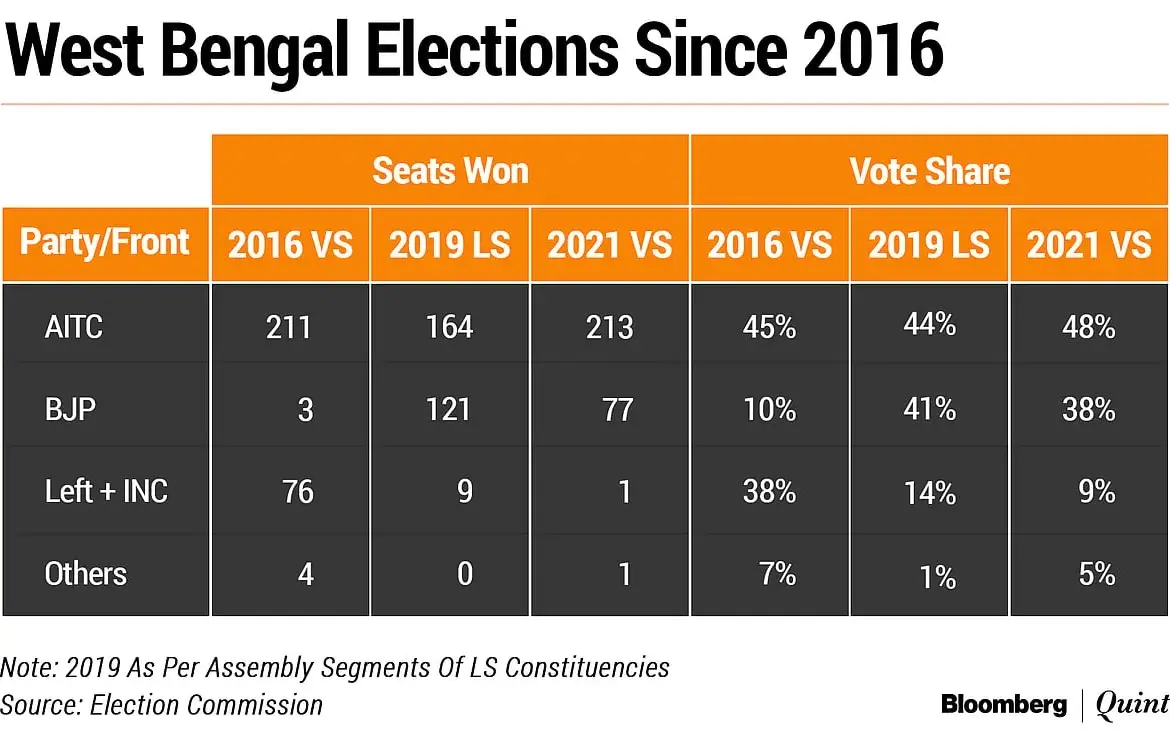
The voter turnout in West Bengal’s 2026 elections reached an impressive 89.99%, surpassing the previous record of 80.4% from 2021 for the same seats. This remarkable increase reflects a growing engagement among voters in the state.
Before this surge, many anticipated a more subdued turnout due to ongoing tensions between the major political parties, particularly the BJP and TMC. The electoral process had been marked by accusations and concerns over violence, raising questions about voter participation.
However, as the polls unfolded on April 29, 2026, a decisive moment emerged. The first phase of assembly polls concluded with a record voter turnout of 92.25%. This initial enthusiasm set a positive tone for subsequent phases.
Districts like Purba Bardhaman led the charge, recording a stunning 94.06% turnout during the second phase. This was not just a number; it indicated a palpable shift in political engagement across communities.
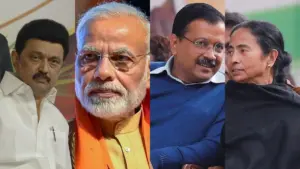
The direct effects on the parties involved were significant. Mamata Banerjee of the Trinamool Congress (TMC) expressed concerns about election integrity, stating, “The BJP wants to rig this election. Polls in Bengal are usually peaceful.” Her remarks highlighted the ongoing rivalry as both parties vied for dominance.
On the other hand, BJP leaders remained confident that their efforts would resonate with voters. They aimed to capitalize on their national narrative under Narendra Modi’s leadership.
Key voter turnout statistics:
- Overall turnout reached 89.99% by 5 PM on April 29.
- Purba Bardhaman recorded the highest district turnout at 92.46%.
- Hooghly saw a turnout of 90.34%, while Nadia recorded 90.28%.
- Bhabanipur constituency had an 85.51% polling rate by 5 PM.
The peaceful nature of this electoral process stands in stark contrast to prior expectations of unrest and low participation rates. Yet, Mamata Banerjee pointed out that “Central forces are supposed to guard the country’s borders, but instead they are working for a particular party,” suggesting ongoing concerns about fairness.
This election cycle marks a pivotal moment for West Bengal’s political landscape as community voices grow louder and more engaged than ever before.