India Secures Victory Over England in First ODI, But Injury Concerns Loom
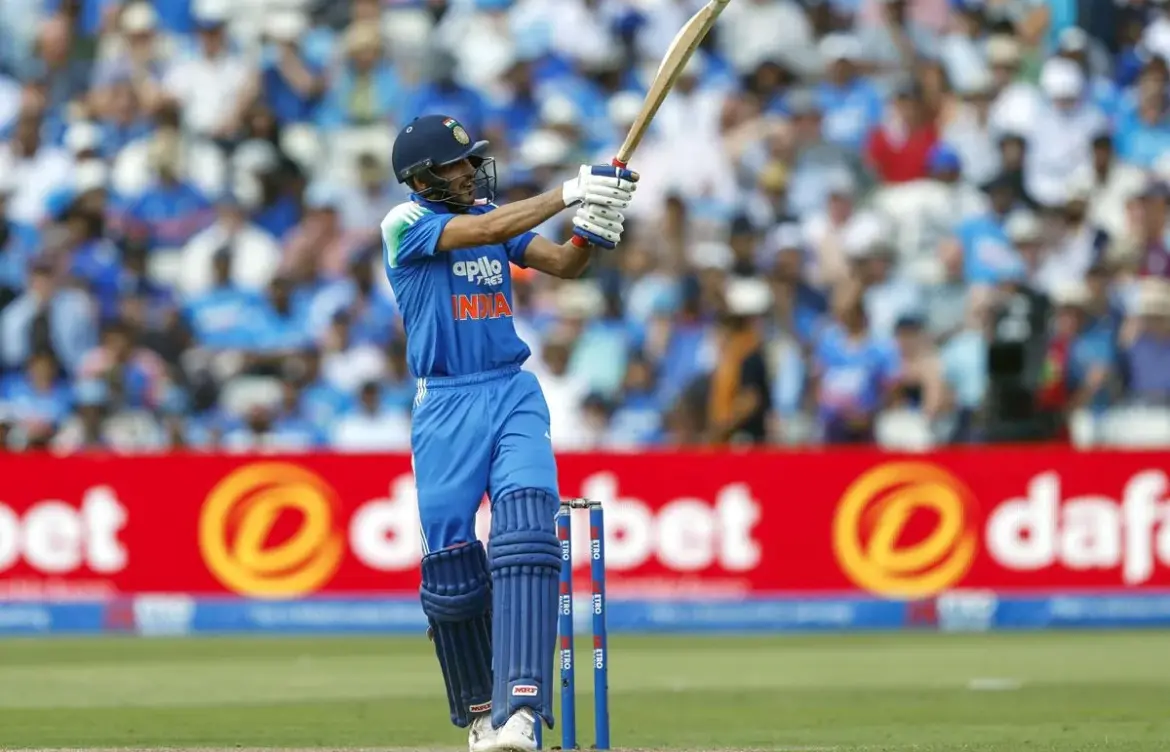
Shubman Gill played a significant role in India’s six-wicket victory over England in the first ODI at Edgbaston. Gill scored an unbeaten 80 runs before retiring due to cramps, contributing to a crucial partnership that helped secure the win for his team. His performance in the chase demonstrated his ability to manage pressure and adapt to challenging pitch conditions.
During India’s pursuit of 259 runs, Gill and Shreyas Iyer formed a 101-run partnership from 103 balls. This stand was vital, especially after India lost early wickets, with Rohit Sharma and Virat Kohli dismissed cheaply, leaving the score at 48 for 2 in 8.3 overs. Gill’s innings, which lasted 75 balls and included 11 fours and a six, saw him spend 120 minutes at the crease.
Gill’s Strategic Batting
Gill’s approach to the chase was marked by strategic pacing. He began his innings with consecutive boundaries but then remained cautious for the next 13 deliveries, scoring only four runs. Facing seamers like Jofra Archer and Josh Tongue on a pitch that offered assistance to new-ball bowlers, Gill opted to absorb pressure. The first innings had already indicated that the surface aided bowlers with pace, variable bounce, and lateral movement.
As the innings progressed, Gill shifted his strategy, taking on spinners such as Adil Rashid, Jacob Bethell, and Will Jacks. He continued to find boundaries, including a sweep shot over square leg off Jacks, even after receiving treatment for cramps. His ability to rotate the strike and pick up singles and doubles by pushing the ball to long-on and long-off was also evident.
Gill’s scoring was not reliant on aggressive slogging or constant aerial shots. He intelligently used the off-side field, with five of his 11 boundaries coming from that area, and six on the leg side. His most effective stroke was the cut shot, which yielded 16 runs, including two boundaries. His sole six came off Josh Tongue, sailing over the deep backward square leg boundary.
Despite the cramps forcing his retirement, Gill’s efforts ensured India remained on track. Washington Sundar and Axar Patel then completed the chase, securing the six-wicket win. Gill expressed optimism about his fitness for the second ODI at Sophia Gardens in Cardiff.
Injury Concerns for India
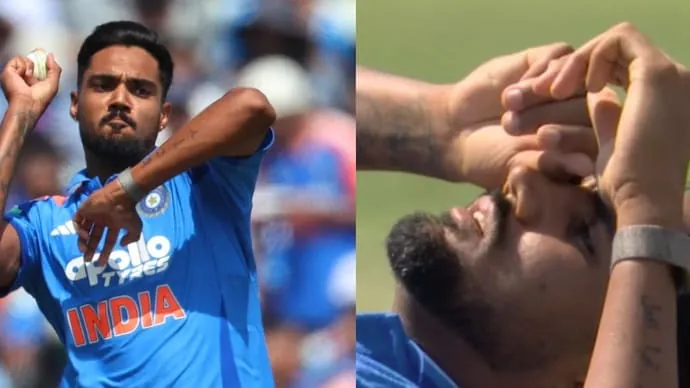
While Gill’s performance was a highlight, India faced another injury concern during the first ODI. Fast bowler Gurnoor Brar had to leave the field during his final over due to discomfort. Brar, playing his first international match in England, had made a significant impact earlier in the innings, taking two quick wickets that contributed to England’s collapse.
Brar experienced discomfort at the end of his run-up in the 48th over and signaled to the dressing room. Despite attention from the Indian physio, he was unable to continue, and Axar Patel completed the over. There was no immediate update on the extent of Brar’s injury.
Before his exit, Brar had a notable outing, finishing with figures of 2 for 61 from nine overs. He triggered England’s collapse after they had reached 61 without loss, adjusting his length to take wickets. He dismissed Jacob Bethell and Ben Duckett, with Jasprit Bumrah taking a catch for Duckett’s dismissal. These strikes led to England slumping from 61 without loss to 107 for 6.
England later recovered through a 121-run partnership between Joe Root, who scored 76, and Liam Dawson, who made 68, allowing them to post a total of 258. The injury to Brar adds to India’s recent injury challenges, with Harshit Rana already ruled out of the tour and Hardik Pandya and Nitish Kumar Reddy unavailable.
Gill’s Consistent Form
Gill’s half-century at Edgbaston was his third in a row, achieved from 51 balls. This innings marked his fifth score of 50 or more in his last six ODI innings, showcasing his consistent performance in the format. His ability to score without taking undue risks and his intelligent use of the field are key aspects of his batting.
The match saw India well-placed at 110 for 2 in 20 overs, needing 149 runs from 30 overs when Gill reached his half-century. His continued strong form in ODIs has made him a significant player for India’s batting lineup.
Read Also
- FIFA defends semifinal referee after France's Deschamps questions decision
- Lionel Messi Leads Golden Boot Race Ahead of World Cup Final
- Atlanta Stadium: Tuchel's defensive tactics questioned after England's World Cup semi-final exit
- Argentina face potential FIFA action after Falkland Islands banner displayed during England win celebrations
Source: timesofindia.indiatimes.com