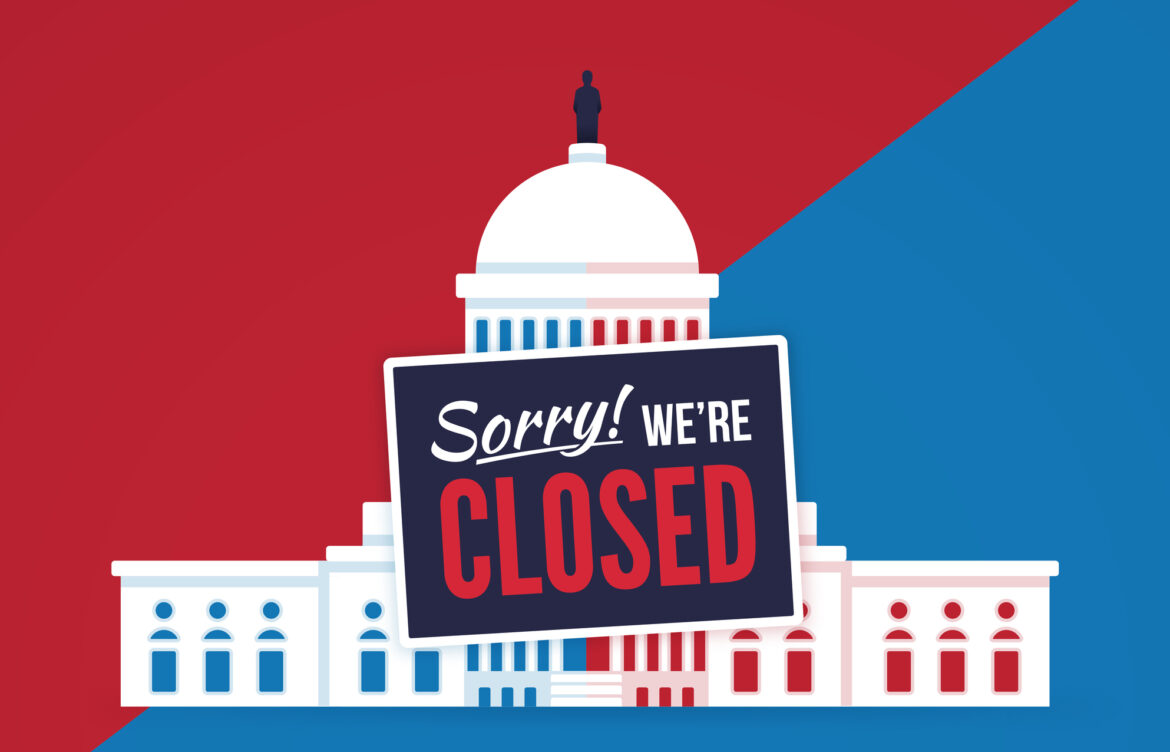
Update on the Anticipated Government Shutdown of 2026
Introduction
The prospect of a government shutdown looms large as the fiscal year 2026 approaches, stirring concerns among citizens, businesses, and lawmakers alike. With budget negotiations intensifying, understanding the implications of a potential shutdown is crucial for everyone affected. This update sheds light on current developments, key players involved, and the potential impact on various sectors.
Current Developments
As of late 2025, discussions around the government budget have hit several roadblocks. Lawmakers are wrestling with partisan divides, particularly over issues such as funding for social programs, defense spending, and health initiatives. The last-minute negotiation tactics have led to heightened fears that, without a compromise, a government shutdown could occur as soon as October 1, 2026.
The Congressional Budget Office has projected that a shutdown could severely disrupt federal operations, affecting approximately 800,000 federal employees who may face furloughs or temporary layoffs, similar to previous government shutdowns. Essential services like public safety and national defense would continue, but numerous government programs and services would experience delays.
Impact on Citizens and Businesses
A shutdown in 2026 could have ripple effects across various industries. For instance, the tourism sector, which relies heavily on national parks and monuments, could see a decline in visitation, impacting local economies. Additionally, businesses that depend on government contracts might face uncertainties, triggering layoffs and budget constraints.
Families relying on government assistance programs, such as SNAP or housing benefits, would particularly feel the strain. Delayed payments could exacerbate challenges faced by low-income families, putting added pressure on state and local services.
Conclusions and Future Outlook
With significant deadlines approaching for budget approval, there’s a pressing need for bipartisan cooperation. Analysts suggest that unless lawmakers can come to a consensus on critical budgetary issues soon, the likelihood of a government shutdown remains high. To mitigate the repercussions, experts encourage community leaders and local organizations to prepare contingency plans to support affected individuals and families.
As we monitor these developments, it’s essential for citizens to stay informed and engage with their representatives. The 2026 government shutdown scenario underscores the importance of fiscal responsibility and the need for collaboration in achieving effective governance.