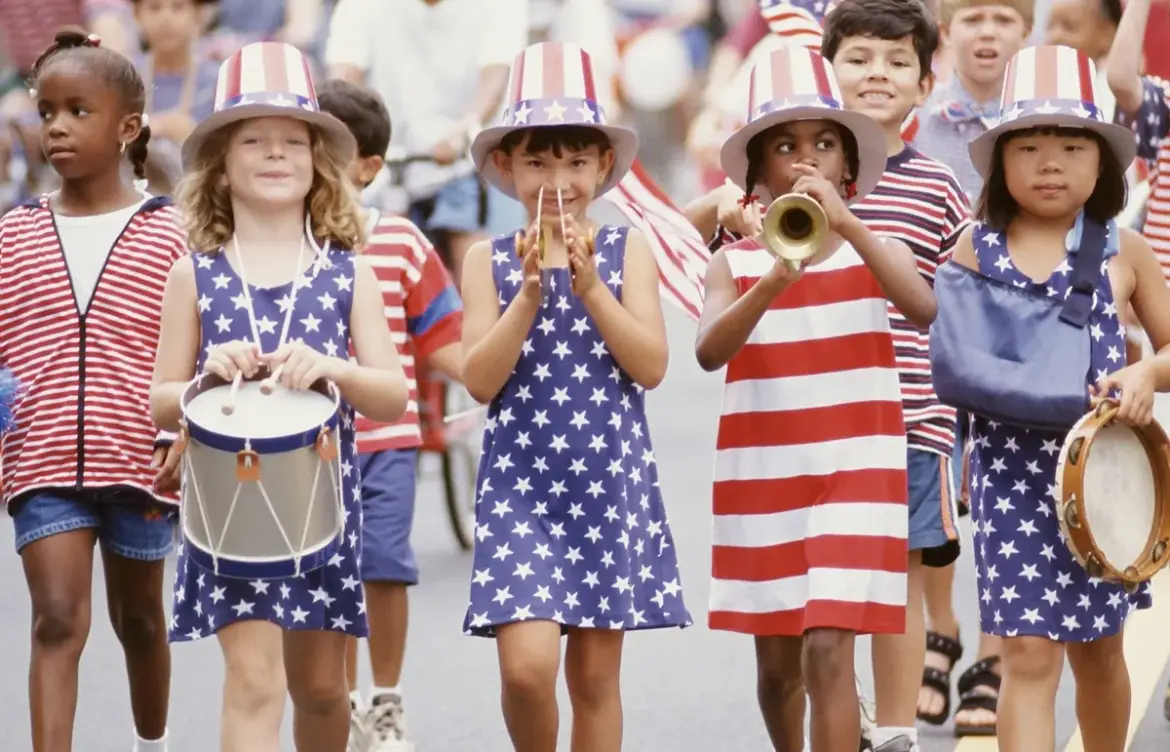
United states: Independence Day in the : A Celebration of Freedom
Before the momentous development of July 4, 1776, the American colonies were under the rule of Great Britain, grappling with issues of taxation and representation. The desire for independence was growing, yet the colonies were divided on the path forward. The Continental Congress had convened, and discussions were heated as leaders like John Adams, Thomas Jefferson, and Benjamin Franklin debated the future of the colonies. The expectation was that a resolution would be reached, but the outcome remained uncertain.
On July 2, 1776, a decisive moment arrived when the Continental Congress voted in favor of independence from Britain. Twelve of the thirteen colonies supported the motion, marking a significant turning point in American history. However, it was not until July 4 that the final version of the Declaration of Independence was formally approved. This document, primarily drafted by Thomas Jefferson, articulated the colonies’ grievances and aspirations for freedom, setting the stage for a new nation.
The immediate effects of this declaration were profound. The colonies united in a shared purpose, rallying around the ideals of liberty and self-governance. Celebrations began almost immediately, with the first organized festivities taking place in 1777, featuring fireworks, parades, and speeches. The Fourth of July became a symbol of national pride, as citizens expressed their newfound freedom and commitment to the principles laid out in the Declaration.
As the years passed, Independence Day evolved into a major midsummer holiday in the United States. Fireworks became a staple of the celebrations, a tradition that began just a year after the Declaration was approved. The day was initially modeled on the British king’s birthday celebrations, but it quickly transformed into a uniquely American observance. Parades, oratory, and toasting were common in the early years, reflecting the joy and hope of a nation just beginning to define itself.
Experts note that the significance of Independence Day extends beyond mere celebration. It serves as a reminder of the sacrifices made by those who fought for freedom and the ongoing struggle to uphold the values enshrined in the Declaration. As historian David McCullough once remarked, “The Declaration of Independence is a document that continues to inspire people around the world, reminding us of the universal desire for freedom and equality.”
Today, Independence Day is celebrated across the United States with a mix of traditional and modern festivities. Communities come together for fireworks displays, barbecues, and family gatherings, reinforcing the sense of unity and shared history. The day is not only a celebration of the past but also a moment for reflection on the progress made and the challenges that lie ahead.
As we commemorate this important day, it is essential to recognize the contributions of the founding fathers, including John Adams, Thomas Jefferson, and James Monroe, who played pivotal roles in shaping the nation. Their vision for a democratic society continues to resonate, reminding us of the importance of civic engagement and the responsibility we hold in preserving our freedoms.
Independence Day remains a cherished occasion in the United States, a time to celebrate the ideals of liberty and justice for all. As we gather with friends and family, let us honor the legacy of those who fought for our independence and commit ourselves to ensuring that the principles of democracy endure for generations to come.