Understanding Winter Weather Warnings: What You Need to Know
The Importance of Winter Weather Warnings
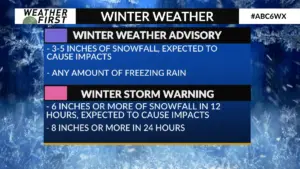
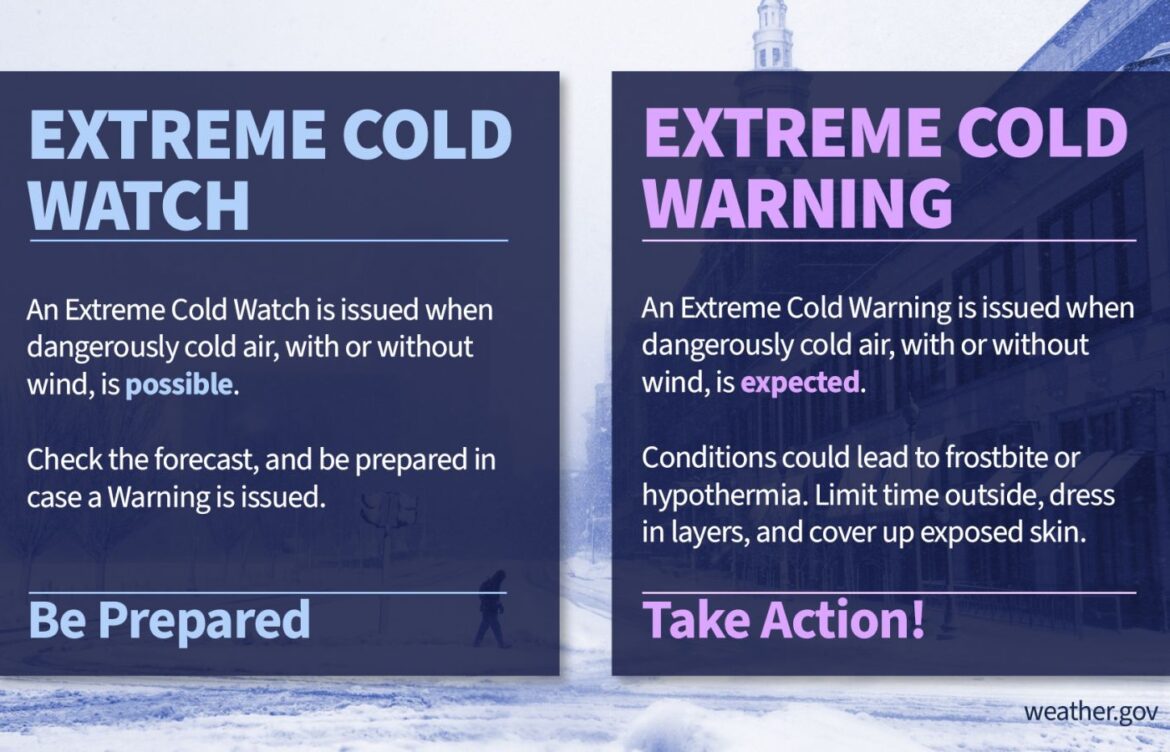
As winter approaches, the National Weather Service (NWS) and various meteorological organizations begin to issue winter weather warnings across various regions in the United States. These warnings are crucial as they inform the public about severe weather conditions such as snowstorms, ice storms, and extremely low temperatures. Understanding these warnings can be the difference between safety and danger, making awareness a priority for everyone during the cold months.
Current Winter Weather Warnings
As of October 2023, numerous regions across the northern and central United States are experiencing winter weather warnings due to an arctic front bringing frigid temperatures and snow. Areas such as the Midwest and the Northeast are under alerts for potential snow accumulation of several inches, while southern regions might see icy conditions that could disrupt travel and power lines.
The latest reports indicate that states like Minnesota, Wisconsin, and Michigan are set to receive significant snowfall, prompting local governments to prepare for possible road closures and public safety measures. Meteorologists predict a higher-than-average snowfall this year due to changing climate patterns, leading to an increased likelihood of winter storms.
What to Do During Winter Weather Warnings
While winter weather warnings can be alarming, there are several proactive steps individuals can take. Firstly, always stay updated on the latest weather forecasts through reliable sources like local news or the NWS. It’s important to have an emergency kit ready that includes necessities such as food, water, blankets, and flashlights.
Moreover, following local guidelines on travel is essential. If a warning is issued, consider postponing non-essential travel to avoid hazardous conditions. For those who must be on the road, ensure your vehicle is winter-ready with snow tires, anti-freeze levels checked, and emergency supplies on board.
Conclusion
As winter approaches, understanding and responding to winter weather warnings is critical for safety. With the potential for severe winter storms becoming more frequent, families and communities must stay informed and prepared. It’s essential to take such warnings seriously and encourage others to do the same. By being proactive and aware, we can navigate the challenges of winter weather more safely and with greater peace of mind.