Understanding Winter Storm Warnings: What You Need to Know
Introduction
As winter settles in across the United States, the impact of severe weather is becoming increasingly evident. This season has seen heightened warnings related to winter storms, which can generate hazardous conditions such as heavy snowfall, ice, and dangerously low temperatures. Understanding winter storm warnings is crucial for ensuring safety and preparedness for residents in affected regions.
What Are Winter Storm Warnings?
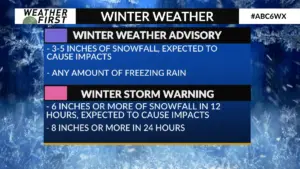
Winter storm warnings are issued by the National Weather Service (NWS) when a significant winter weather event is anticipated. These warnings are designed to alert the public about various forms of severe weather, including heavy snow, ice accumulation, and blizzard conditions. The criteria for issuing these warnings vary by region but generally include predictions of at least 6 inches of snow or ice accumulation within 12 hours.
Current Events and Alerts
This week, multiple areas across the Midwest and Northeast are under winter storm warnings as meteorologists predict a powerful system moving through the region. According to NWS forecasts, states such as Michigan, Wisconsin, and Pennsylvania may experience significant snowfall, prompting officials to advise residents to prepare for potential travel disruptions and power outages. Warnings have been issued in advance to allow communities ample time to brace for the winter conditions.
Impacts of Winter Storms
Winter storms can have severe repercussions for everyday life. Transportation systems may face delays and cancellations due to treacherous road conditions, causing significant disruptions for commuters and businesses. Additionally, cold weather can pose health risks, especially for vulnerable populations. Power outages due to ice accumulation on power lines can also leave many homes in the dark and without heat.
Preparedness and Safety Tips
Residents in areas under a winter storm warning are urged to take precautions. Here are some key safety tips:
- Stay informed by checking local forecasts and updates from the NWS.
- Avoid unnecessary travel; if you must travel, equip your vehicle with emergency supplies.
- Have a plan for heat and power outages, including backup generators or alternative heating sources.
- Stock up on essential supplies such as food, water, and medications.
Conclusion
Winter storm warnings play a critical role in public safety during the cold months, and understanding these alerts is essential for preparedness. With forecasters predicting a challenging winter ahead, it is vital for residents to stay informed and take proactive steps to ensure their safety. As the winter progresses, communities must work together to navigate the challenges that severe weather brings.