Understanding Vietnam: Culture, Economy, and Significance
Introduction
Vietnam, a Southeast Asian nation known for its lush landscapes, rich history, and vibrant culture, has emerged as a significant player on the global stage. With a population exceeding 97 million, its diverse heritage and booming economy make it an important focal point for regional dynamics and international trade. Understanding Vietnam is crucial for grasping the cultural and economic transformations shaping the region.
Historical Context
Vietnam’s history is marked by a series of significant events, including centuries of occupation, the fight for independence from French colonial rule, and the Vietnam War. In recent decades, the country has undergone substantial reforms known as ‘Đổi Mới’ which began in the 1980s, transitioning from a centrally-planned economy to a socialist-oriented market economy. These reforms have spurred remarkable economic growth, with Vietnam being one of the fastest-growing economies in the world.
Current Economic Landscape
Today, Vietnam’s economy is burgeoning, with the GDP growth rate averaging around 6 to 7% annually pre-pandemic, and recovering strongly post-COVID-19. The country has positioned itself as a manufacturing hub for electronics, textiles, and footwear, attracting foreign direct investment (FDI) from a myriad of global companies. The government’s emphasis on trade agreements, such as the Comprehensive and Progressive Agreement for Trans-Pacific Partnership (CPTPP) and the EU-Vietnam Free Trade Agreement, further solidifies its role in the international market.
Cultural Richness
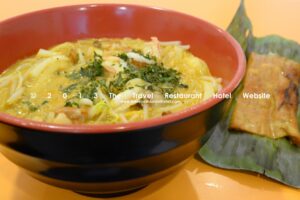
Culturally, Vietnam is a tapestry of influences, blending native traditions with elements introduced through centuries of foreign influence. Celebrations such as Tet, the Lunar New Year, and the Mid-Autumn Festival highlight the deep-rooted customs and community values prevalent in Vietnamese society. Furthermore, its diverse cuisine, characterized by the use of fresh ingredients and bold flavors, prominently features iconic dishes like Pho and Banh Mi, making it a culinary hotspot.
Global Influence and Future Outlook
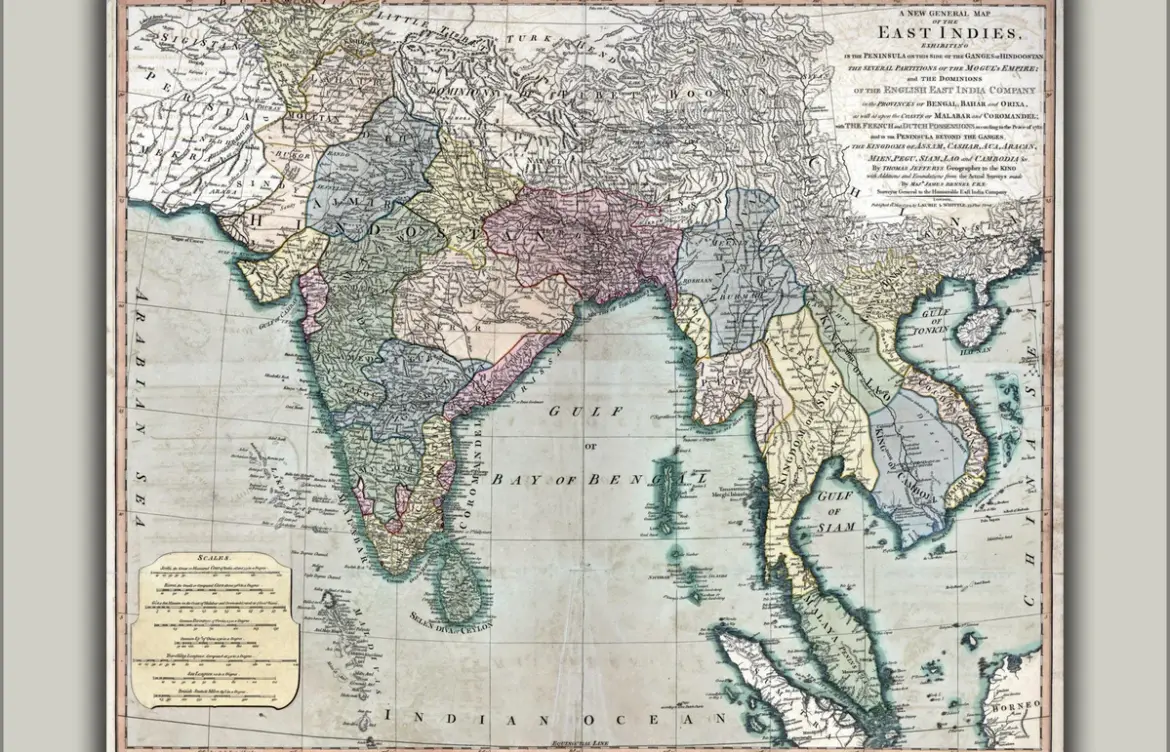
Vietnam’s strategic location and growing economy make it increasingly important in regional geopolitics. The country actively participates in various diplomatic engagements and is a key member of ASEAN (Association of Southeast Asian Nations). As global supply chains evolve, Vietnam is likely to continue attracting enterprises looking to diversify their manufacturing bases away from China.
Conclusion
In conclusion, Vietnam stands as a nation of resilience and promise, marked by a vibrant culture and a booming economy. As it navigates the complexities of a rapidly changing world, Vietnam’s significance on the global stage is set to grow even further. For readers, understanding Vietnam’s journey and its cultural and economic landscapes presents valuable insights into the future of Southeast Asia and the global economy.