Understanding Today’s Poor Air Quality: Causes and Impacts
Introduction
Air quality has become a pressing topic in recent years, with various regions experiencing unhealthy levels of pollutants. Understanding why the air quality is bad today is crucial for public health and awareness, especially as many communities are seeing record levels of smog and pollution. This issue not only impacts individual well-being but also contributes to broader environmental and climate challenges.
Causes of Poor Air Quality Today
Several factors can contribute to poor air quality on any given day. On October 10, 2023, major cities across the United States reported elevated levels of particulate matter (PM2.5) and ozone, primarily due to the following reasons:
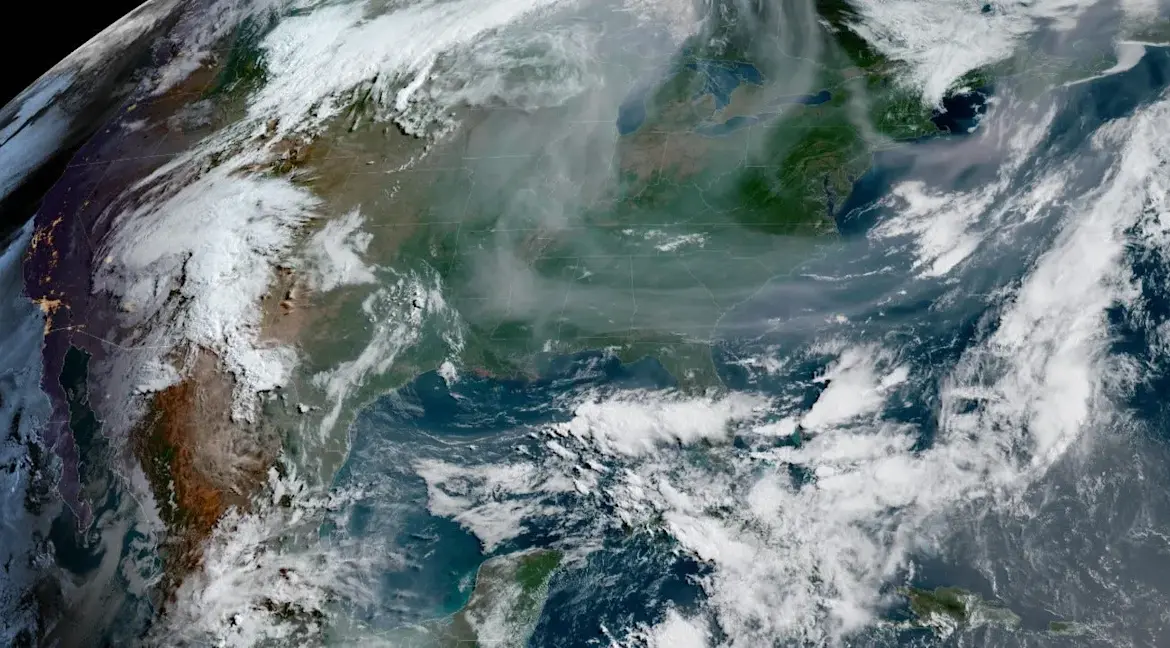
- Wildfires: Increased instances of wildfires in the western parts of the U.S. have led to significant smoke, which clouds the air and increases particulate matter. These fires have been exacerbated by prolonged dry conditions and climate change.
- Vehicle Emissions: Urban areas with high traffic volumes frequently experience spikes in nitrogen dioxide (NO2) and carbon monoxide (CO) from vehicle emissions, particularly during rush hour.
- Industrial Activity: Heavy industrial practices can release various pollutants, especially in regions where factories operate without sufficient regulatory oversight.
- Weather Conditions: Stagnant weather patterns can trap pollutants close to the ground. Temperature inversions, common during fall and winter, can exacerbate the problem.
Health Impact and Public Awareness
The short-term and long-term effects of poor air quality can be severe. Exposure to polluted air can lead to respiratory issues, cardiovascular diseases, and decreased overall health. Vulnerable populations, such as children, the elderly, and those with pre-existing health conditions, are especially at risk. Public awareness is essential as it encourages individuals to monitor air quality indexes and limit outdoor activities when levels are high.
Conclusion
As we observe the causes and implications of today’s poor air quality, it is evident that both natural and human activities play significant roles. Proactive public policies, community engagement, and personal precautions can mitigate the effects of poor air quality. Moving forward, it is crucial for society to address the root causes of pollution and adapt to changing environmental conditions to protect public health. Monitoring tools and resources provided by the Environmental Protection Agency (EPA) can help individuals and communities stay informed about air quality levels.