Groundbreaking Study Reveals Microplastic Levels in Bottled Water
Introduction
The increasing concern over microplastic contamination in everyday products has reached an alarming peak with a recent study examining bottled water. As consumers opt for bottled water for convenience and health, understanding the potential contamination is crucial for public health. Microplastics—tiny plastic particles less than five millimeters in size—are known to pose serious health risks, prompting researchers to closely investigate their presence in bottled water.
Study Overview
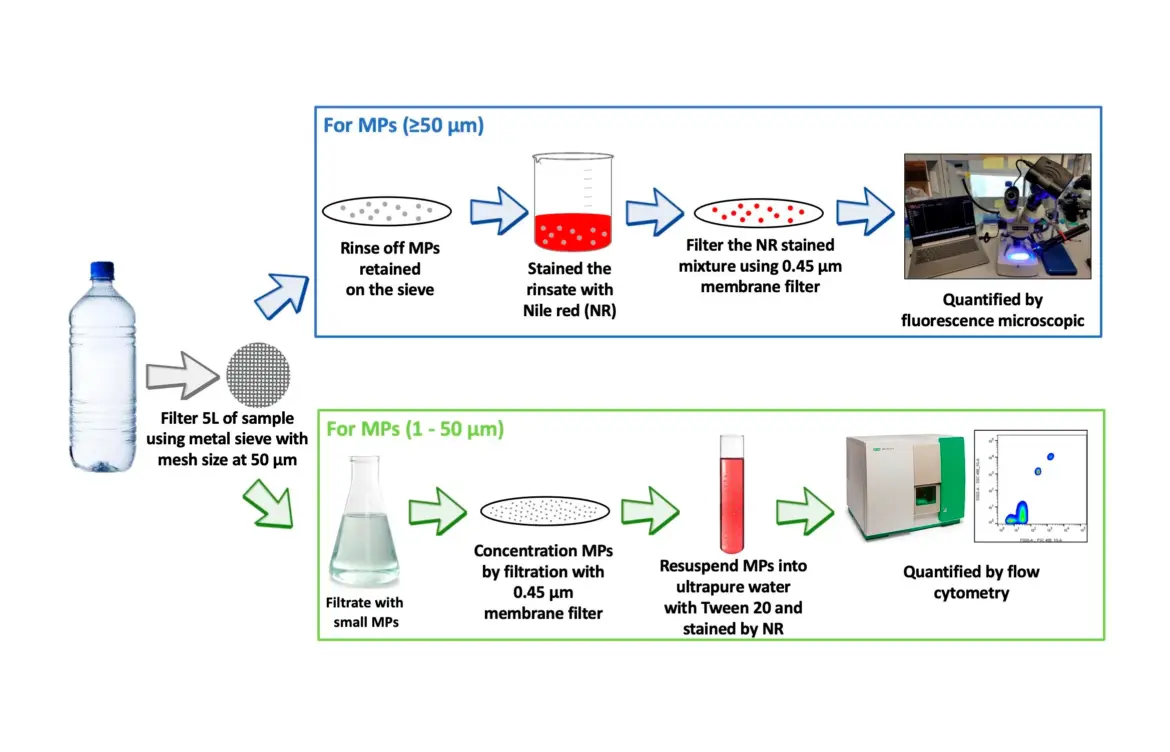
The study, conducted by researchers at the University of California, Santa Barbara, involved the analysis of over 200 bottles from various international brands. The results were startling: more than 90% of the bottled water samples contained microplastic contamination. The levels of microplastics ranged from an average of 10.4 microplastic particles per liter, with some brands showing significantly higher concentrations.
Source and Types of Microplastics
Scientists identified the microplastics as fragments from various sources, including synthetic fibers and breakdown products from larger plastic waste. Their persistence in the environment, notably in water sources, indicates that the problem originated from the manufacturing process and improper disposal of plastic packaging. The study highlighted how the bottling process could introduce additional contamination, particularly when bottles are stored in warm environments.
Health Implications
The health implications surrounding microplastic ingestion are still undergoing research, but experts caution that potential risks exist. Microplastics could carry toxic chemicals or pathogens, and their long-term effects on human health remain uncertain. The World Health Organization (WHO) has acknowledged the need for further investigation, citing concerns that microplastics may affect endocrine health and contribute to inflammatory responses.
Consumer Awareness and Choices
This study serves as a wake-up call for consumers who often opt for bottled water as a healthier alternative. The findings align with growing public interest in sustainability and reducing plastic consumption. Environmental advocates emphasize the importance of switching to reusable water containers and supporting brands that prioritize eco-friendly practices.
Conclusion
The bottled water microplastic study has shed light on a significant public health issue that warrants attention. As more individuals become aware of the findings, there may be a surge in demand for greater transparency from bottled water companies and a push for regulations that ensure safer drinking options. The continued research and dialogue surrounding microplastics will be essential in shaping consumer choices and driving efforts to reduce plastic waste and contamination.