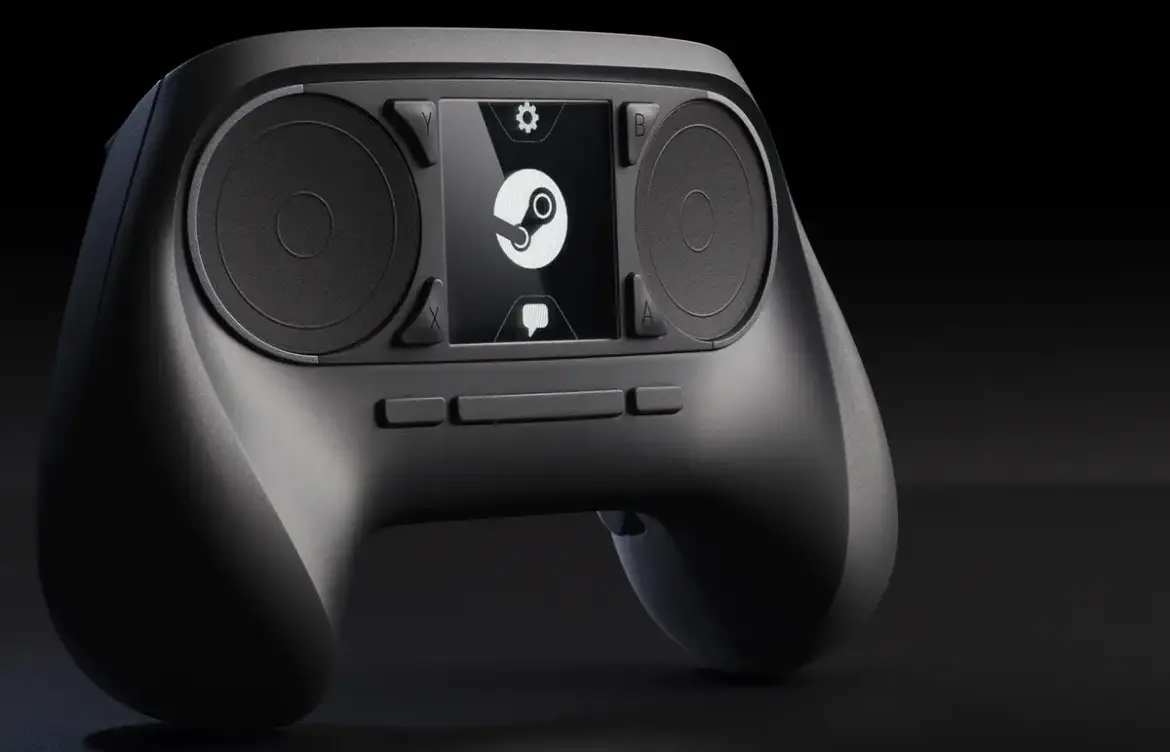
Understanding the Valve Steam Machine and Its Impact
Introduction
The Valve Steam Machine, an innovative gaming console, represents a significant shift in the gaming industry, merging the power of PC gaming with the traditional console experience. Its relevance has grown as gaming technology evolves, with many gamers seeking versatile options that cater to a variety of gaming preferences. Valve, known for its Steam platform, launched the Steam Machine to offer a unique solution for both casual and hardcore gamers.
Overview of Steam Machine
Introduced in 2013, the Valve Steam Machine aimed to bring the extensive catalog of PC games to the living room via a console-like interface. Unlike traditional consoles, the Steam Machine runs on Linux-based SteamOS and allows users to install various operating systems, giving them more flexibility and customization options. Initial models were released through various partner manufacturers, including Alienware and Falcon Northwest, with differing specifications tailored for different gaming needs.
Market Reception
When launched, the Steam Machine faced a mixed response from both consumers and critics. While it garnered attention for its innovative approach and potential for high-performance gaming, technical issues, lack of exclusive titles, and competition from established consoles such as the PlayStation and Xbox significantly impacted sales. Recent reports suggest that Valve has shifted focus towards enhancing the Steam platform and Steam Deck, which consolidates gaming ecosystems more effectively.
Recent Developments
As of 2023, Valve has pivoted towards supporting the Steam Deck more robustly, which has gained popularity for its portability and versatility in playing PC games. Valve’s continuous updates to SteamOS and an expanding library of available titles indicate a strategic movement back to refining the user experience rather than competing directly with traditional consoles. The success of Steam Deck may overshadow the Steam Machine’s initial intent, reflecting a growing trend towards handheld and hybrid gaming systems.
Conclusion
While the Valve Steam Machine may not have achieved its initial aspirations as a standalone success, its legacy continues through the innovations it inspired in the gaming community. The ongoing developments within Valve reflect a shift towards creating a comprehensive ecosystem for gamers, prioritizing user experience, and adapting to the rapidly changing gaming landscape. Looking ahead, the relevance of hybrid and portable gaming devices will likely shape future product lines and strategies, ultimately influencing how gamers engage with technology.