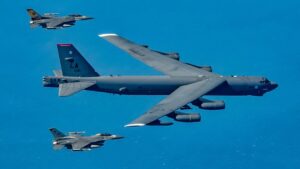
Understanding the Role of Pilots in Modern Aviation
Introduction
The role of pilots in modern aviation is more critical than ever, especially as the industry faces growing demands for safety and efficiency. With air travel projected to rise in the coming years, the significance of pilots extends beyond mere operation of aircraft; they are essential for ensuring passenger safety, adhering to regulations, and managing complex in-flight systems. As the aviation sector continues to evolve with technology, understanding the pilot’s role becomes increasingly relevant.
The Responsibilities of Modern Pilots
Today’s pilots are responsible for a wide range of duties that encompass pre-flight, in-flight, and post-flight operations. Before takeoff, pilots conduct pre-flight inspections, check weather conditions, and assess the aircraft’s performance capabilities. During flight, they manage navigation, monitor systems, and communicate with air traffic control while adapting to any unexpected challenges.
Recent advancements in cockpit technology, including digital instrumentation and automated flight systems, have changed the traditional role of pilots. They’re now required to understand complex systems and leverage these technologies to enhance safety and efficiency. For instance, the integration of advanced autopilot systems allows pilots to focus more on strategic decision-making while still being actively engaged in their responsibilities.
Challenges Facing Pilots
Despite technological advancements, pilots face numerous challenges. The global pilot shortage is a pressing concern, exacerbated by the impact of the COVID-19 pandemic on the aviation industry. Many airlines report difficulties in recruiting and retaining qualified pilots, which can have significant ramifications for flight operations and safety standards.
Moreover, the mental and physical demands placed on pilots can be overwhelming. Long hours, irregular schedules, and high stakes require pilots to maintain peak performance. Recent discussions within the aviation community emphasize the need for better support systems, including mental health resources and work-life balance initiatives.
Conclusion
In conclusion, pilots are indispensable to modern aviation. Their responsibilities have evolved with advancements in technology, yet they must continuously adapt to new challenges and changing industry dynamics. As air travel continues to expand, understanding the complexities of a pilot’s role not only highlights their contribution to safety but also signals the need for ongoing support and investment in pilot training. For travelers, recognizing the skills and dedication of their pilots can enhance their appreciation of the aviation experience.