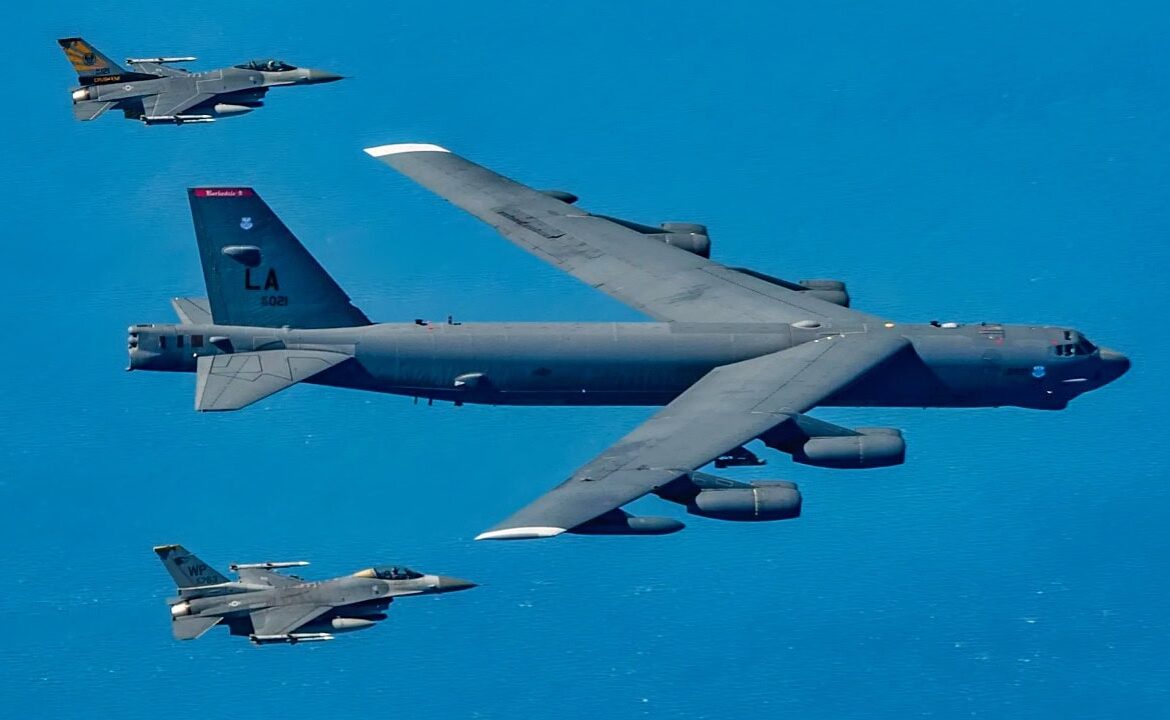
Understanding the B52 Bomber: History and Impact
Introduction
The B52 Bomber, officially known as the Boeing B-52 Stratofortress, is one of the most recognizable and historic aircraft in military aviation. First introduced in the 1950s, the B52 has become a vital part of the United States Air Force’s strategic bombing capabilities. Its relevance continues to the present day as it plays a significant role in modern warfare and defense strategies.
The Evolution of the B52 Bomber
Developed during the Cold War era, the B52 was designed to deliver nuclear weapons against the Soviet Union, but its versatility has allowed it to adapt to various missions over the decades. The aircraft has undergone numerous upgrades to its avionics, weapons systems, and engines, ensuring it remains effective in contemporary combat scenarios. Recently, the B52 has seen increased utilization in bomb missions, intelligence gathering, and supporting allied forces in conflict zones around the globe.
Current Usage and Capabilities
Currently, the B52 fleet is undergoing modernization efforts that enhance its operational capabilities. These updates include the integration of advanced GPS-guided munitions and updated electronic warfare systems, which have significantly improved precision and survivability. The B52’s long flight range, capable of striking targets thousands of miles away from its launch point, makes it an essential asset for U.S. strategic deterrence.
In 2023, a pivotal moment for the B52 occurred when it participated in several multinational exercises to demonstrate its capabilities alongside NATO allies. This showcased the aircraft’s ability to adapt to new threats and geopolitical changes, reinforcing the United States’ commitment to global security.
Future Outlook
The B52 Bomber is expected to remain in service until at least 2040, a testament to its resilience and ongoing relevance in the face of changing technology and warfare tactics. With discussions of potential upgrades such as new stealth technologies and enhanced payload capacities, the B52 will likely continue to evolve. Its role may shift more towards conventional deterrence, maintaining peace, and providing reassurance to allies.
Conclusion
The B52 bomber is not just a piece of military history; it represents the enduring capabilities of the U.S. Air Force in a rapidly changing world. Its ongoing evolution reflects the United States’ commitment to maintaining a robust defense posture while adapting to new challenges. For military enthusiasts, strategists, and the general public, the B52 remains a symbol of American air power and resilience.