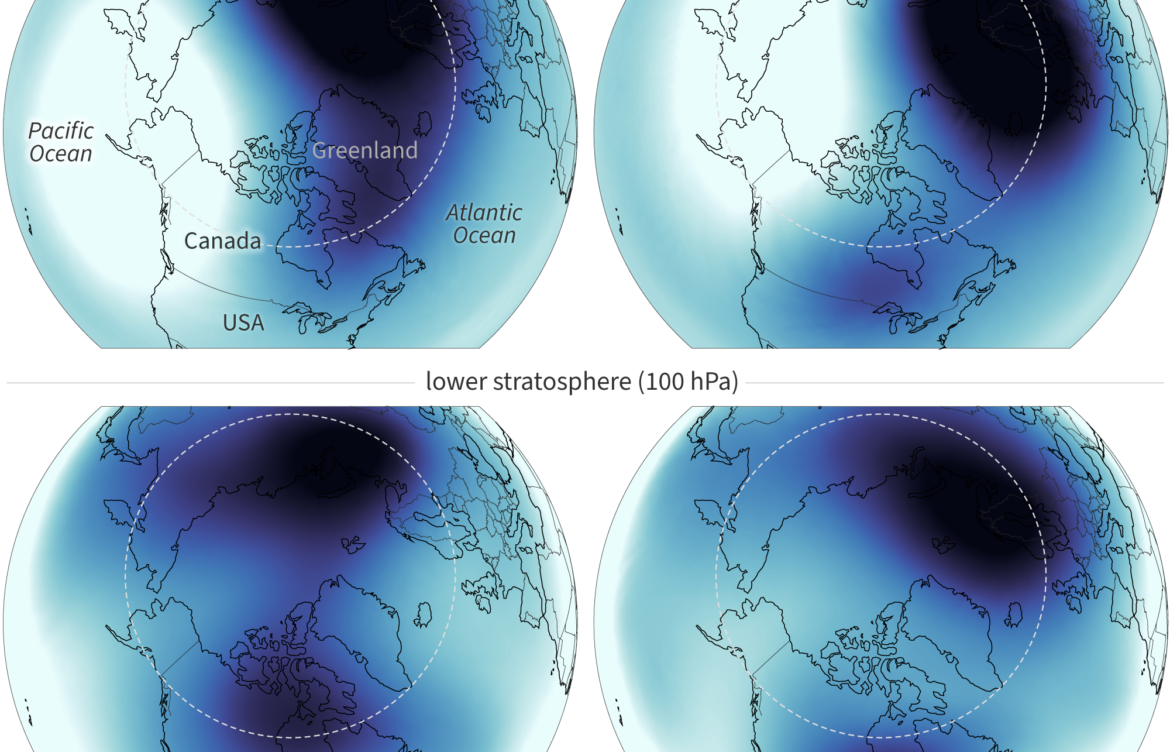
Understanding the Polar Vortex Split Forecast for Winter 2023-2024
Introduction
The polar vortex split has emerged as a critical topic in meteorology, especially as we approach the winter months of 2023-2024. This meteorological phenomenon is vital not only for climatologists and meteorologists but also for the general public as its effects can lead to extreme weather changes, including frigid temperatures and severe snowstorms. With a new forecast predicting a split in the polar vortex, understanding its implications is essential for everyone.
What is the Polar Vortex?
The polar vortex refers to a large area of low pressure and cold air surrounding the Earth’s poles. It is typically strongest during winter months and can affect weather patterns far beyond the polar regions. When the polar vortex is stable, cold air remains contained, but a split or displacement can lead to winter weather patterns that penetrate further south than usual.
Predictions for the Upcoming Winter
Recent forecasts from the National Oceanic and Atmospheric Administration (NOAA) indicate that a significant split in the polar vortex may occur in late January 2024. This forecast highlights two separate lobes of cold air, which could push down into the contiguous United States. If realized, this could result in widespread cold spells for regions typically spared from severe winter weather, particularly in the Midwest and Northeast.
Experts suggest that early January could provide a critical transition period, during which conditions will either stabilize or create the perfect scenario for the polar vortex split. The indications from weather models show that the chances of a Southward plunge of arctic air are increasing, particularly influenced by the fluctuating sea surface temperatures in the Pacific Ocean.
Implications for Weather Patterns
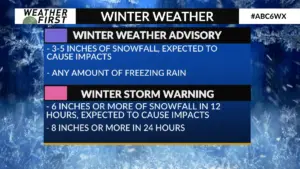
The impact of a split polar vortex includes the potential for severe winter storms and unusually low temperatures across parts of the U.S. Meteorologists warn that such changes can lead to heavier snowfall and more challenging travel conditions as well as increased energy demands due to heating needs. Areas such as the Great Lakes, Northern Plains, and New England should prepare for potential disruptions.
Conclusion
As we proceed through winter, monitoring the polar vortex split forecast will be crucial. Its potential effects on weather patterns are significant, and remaining aware of updates can help individuals and communities prepare accordingly for extreme cold and storm events. While not all forecasts guarantee a split will occur, the current data should serve as a warning and a signal to remain vigilant during the winter season. The next few weeks will be telling, and forecasts will continue to evolve.