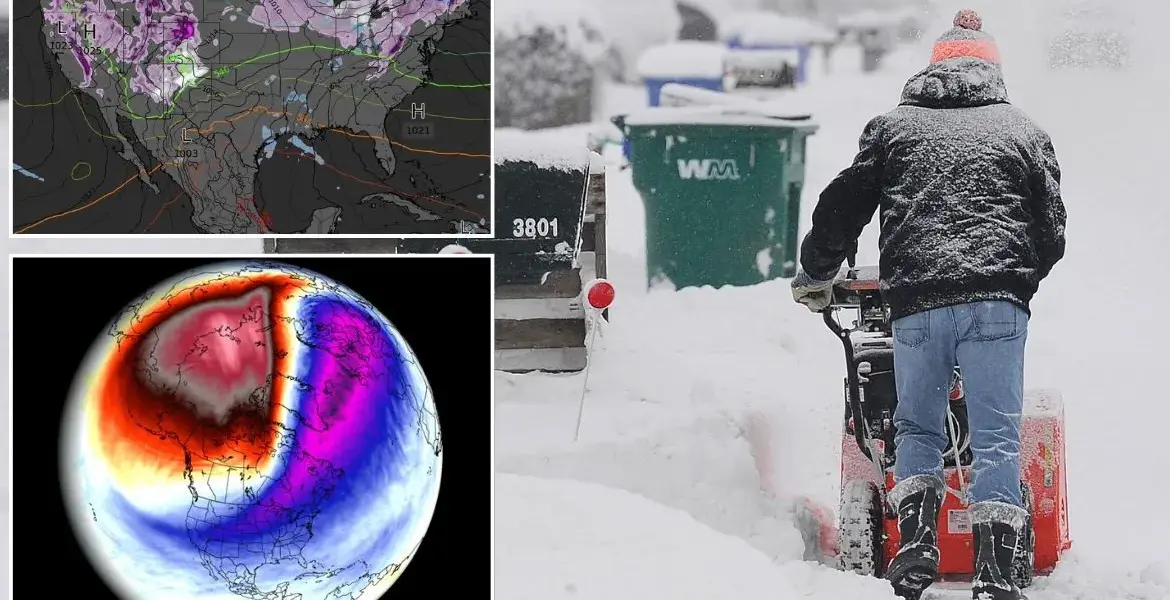
Understanding the Polar Vortex Collapse Forecast for Winter 2023
Introduction
The polar vortex is a large area of low pressure and cold air surrounding the Earth’s poles. As we approach winter, forecasts predicting polar vortex collapse have become increasingly significant. Understanding these forecasts is crucial as they can indicate drastic weather changes, including colder temperatures and increased snowfall across the northern hemisphere.
The Current Situation
According to meteorological reports, the polar vortex is showing signs of instability early this winter. Experts have indicated that the polar vortex is weaker than average, which may lead to a collapse. A weakened polar vortex increases the likelihood of Arctic air spilling southward into the United States and Europe, often resulting in severe winter storms and a significant drop in temperatures.
What the Forecasts Indicate
Recent analyses from the National Oceanic and Atmospheric Administration (NOAA) suggest a potential collapse could occur within the next few weeks. If this forecast holds true, states in the Midwest and Northeast could experience extreme cold conditions, making this winter one of the harshest in recent years. Furthermore, this change aligns with other modeling simulations which predict a shift in the jet stream, disrupting normal weather patterns.
Potential Impacts
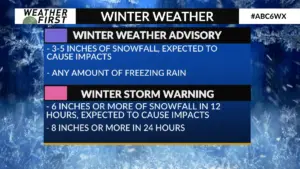
The consequences of a polar vortex collapse can be profound. Meteorologists warn that this could lead to prolonged cold periods, increased heating costs for households, and stresses on energy consumption systems. Moreover, businesses related to winter sports may see both positive and negative impacts, with some areas benefiting from increased snowfall while others may be too cold for outdoor activities.
Conclusion
As we continue to monitor the polar vortex collapse forecasts, it is essential for residents in potentially affected regions to prepare for significant weather changes. Staying informed through reliable weather sources will be key to navigating the challenges posed by extreme cold and potentially hazardous winter storms. This winter could shape up to be a notable one, highlighting the ongoing complexities of climate dynamics and their influence on seasonal weather patterns.