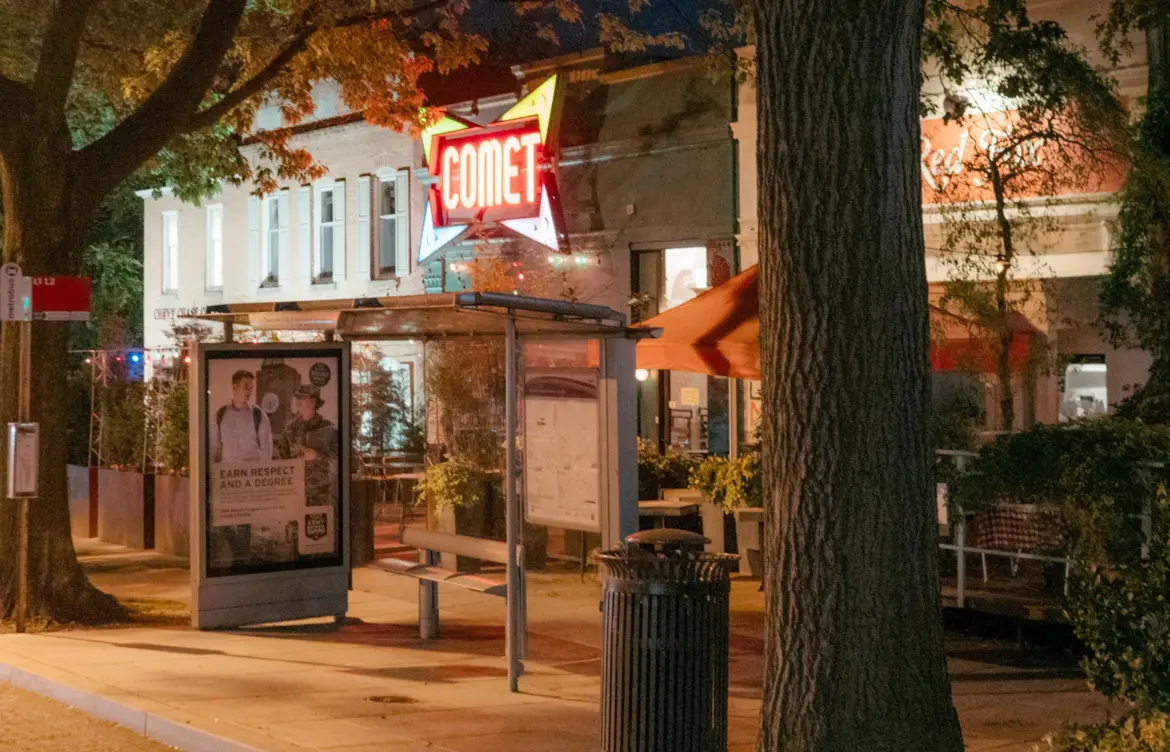
Understanding the PizzaGate Controversy and Its Impact
The Rise of PizzaGate: An Overview
In late 2016, a conspiracy theory known as PizzaGate emerged, quickly gaining traction on social media platforms. This theory alleged that a Washington, D.C. pizza restaurant was tied to a child trafficking ring involving high-profile political figures. Despite the lack of evidence, this theory resonated with many, leading to significant online discussions and actions that raised alarms across multiple sectors.
Events Leading to the PizzaGate Theory
The PizzaGate narrative found its genesis in the leaked emails of John Podesta, the campaign chairman for Hillary Clinton, published by WikiLeaks. Certain phrases in these emails were interpreted by conspiracy theorists as code for a sex trafficking operation. The particular restaurant implicated was Comet Ping Pong, which became the epicenter of the conspiracy. Social media users began to share and discuss these theories, fueling a viral sensation.
Impact and Reactions
The theorization surrounding PizzaGate culminated in real-world consequences in December 2016, when an armed individual entered Comet Ping Pong, believing he was rescuing children. Fortunately, no one was harmed, but this incident cast a spotlight on the dangerous implications of misinformation on the internet. Experts discussed the social dynamics that allow such theories to propagate, highlighting echo chambers and confirmation biases prevalent on social media platforms.
Aftermath and Continuing Relevance
In the years following the initial uproar, the PizzaGate conspiracy has continued to resurface, especially in the context of other conspiracy theories. The resonance of PizzaGate is seen as part of a larger trend where misinformation can spread rapidly and incite real-world actions. Various investigations have highlighted the explosive potential of social media misinformation and its role in modern elections and public opinion.
Conclusion: Navigating the Landscape of Misinformation
As society continues to grapple with misinformation, understanding the mechanism by which conspiracy theories like PizzaGate gain traction is crucial. The incident implies the need for proactive measures by social media organizations to monitor and curb false narratives. It also serves as a reminder to the public about the importance of critical thinking and fact-checking, especially in an online environment where sensationalism can overshadow the truth. Looking ahead, fostering media literacy will be essential to mitigate the risks that arise from unfounded and dangerous theories.