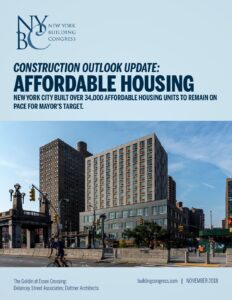
Understanding the Importance of Affordable Housing Today
Introduction: The Growing Need for Affordable Housing
As housing prices continue to soar across the United States, the conversation surrounding affordable housing has never been more critical. Affordable housing is defined as housing that costs no more than 30% of a household’s gross income. With rising rents and stagnant wages, millions of Americans are being pushed out of their homes and communities. This issue is not just a socio-economic crisis but is now seen as a significant public health challenge and a barrier to upward mobility for families.
Current Trends in Affordable Housing
In recent months, various local governments have made strides to address the housing crisis by implementing multiple affordable housing initiatives. For instance, a report by the National Low Income Housing Coalition highlights that over 11 million renters across the U.S. are classified as “extremely low income,” and there is roughly a shortage of 7 million affordable rental homes available for them. To tackle this, cities like San Francisco and New York have introduced measures to expand housing stock through zoning changes and increased funding for federal housing programs.
Furthermore, innovative solutions such as public-private partnerships are being leveraged to increase housing supply. Nonprofit developers are collaborating with private investors to create mixed-income housing projects that serve a significant portion of the population while maintaining affordability. The integration of sustainability into these projects is also gaining traction, aiming to build energy-efficient homes that reduce long-term costs for residents.
Community Impact and Future Outlook
The effects of a lack of affordable housing extend into community health, education, and economic stability. Families living in unaffordable housing face a precarious existence, often resulting in poor health outcomes and educational instability for children. With the increasing recognition of these underlying issues, advocates are calling for more comprehensive policies that target not only construction and funding but also tenant protections and local job creation.
Looking ahead, the urgency for affordable housing solutions remains. While advocacy and policy changes are moving in the right direction, the gap in affordable housing availability continues to widen. It is crucial for governments, nonprofit organizations, and community members to work collaboratively towards innovative solutions that can ensure every American has access to safe, decent, and affordable housing.
Conclusion
In conclusion, the topic of affordable housing is fundamentally intertwined with the wellbeing of communities and the future of the economy. Fostering stable housing as a priority can lead to broader social benefits, including improved health, education, and economic resilience. As we continue to navigate the complexities of the housing market, focused efforts will be essential to not only meet the immediate needs of millions but to also cultivate thriving, equitable communities for generations to come.