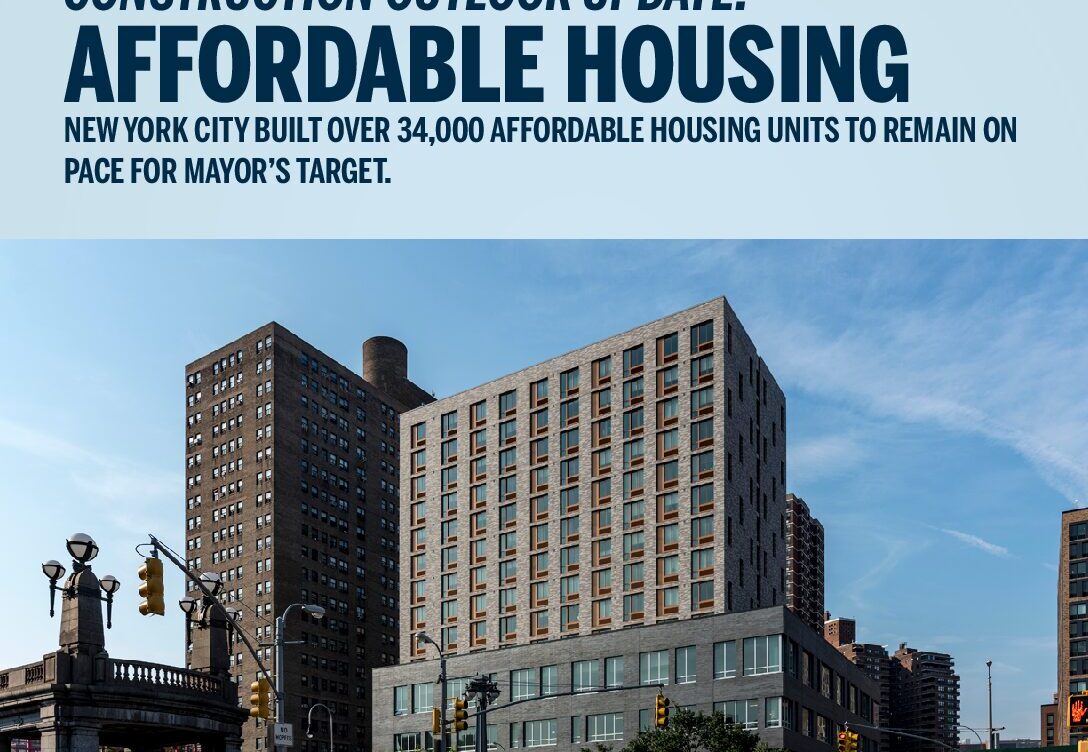
Understanding the Affordable Housing Crisis in America
Introduction
The affordable housing crisis has become a pressing issue in the United States, affecting millions of families and individuals across the nation. It encompasses a range of challenges from rising rental costs to insufficient housing supply, making it increasingly difficult for low- and moderate-income residents to secure stable living conditions. Without addressing this crisis, the impacts on community stability and economic growth could be profound.
Current Trends and Issues
As of 2023, data shows that approximately 18.5 million Americans are living in what are considered severely cost-burdened households, where more than 50% of their income is spent on housing. Major cities like San Francisco, New York, and Los Angeles continue to see escalating prices, with rent surging by as much as 20% in some neighborhoods compared to previous years.
In response to this growing crisis, various state and local governments have initiated programs aimed at increasing the stock of affordable housing. For instance, the Biden administration’s “Build Back Better” initiative includes provisions for allocating federal funds to support housing development in underserved areas, targeting the construction of two million affordable housing units over the next decade. Furthermore, innovative solutions like adaptive reuse of old buildings and community land trusts are gaining traction as viable methods to create affordable housing options.
Challenges Facing Affordable Housing Development
Despite these efforts, challenges remain significant. Zoning laws in many areas restrict the density of new constructions, and the skyrocketing costs of construction materials hinder developers from taking on low-margin affordable projects. Additionally, the opposition from some local communities — commonly known as “NIMBYism” (Not In My Backyard) — further complicates matters, as local residents often resist new developments that they perceive as threatening to their property values or neighborhood character.
Conclusion
The future of affordable housing in the United States remains uncertain, but the urgency of addressing the crisis cannot be overstated. Continued collaboration among federal, state, and local governments, along with private sector involvement, is critical to overcoming existing barriers. As America progresses into 2024, it is imperative that stakeholders prioritize the development of sustainable and inclusive housing solutions to ensure that all citizens have access to safe, affordable homes, thereby fostering healthier communities and economies.