Understanding the Extreme Cold Watch and Its Implications
Introduction
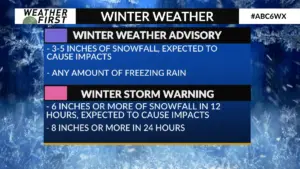
As winter approaches, the National Weather Service (NWS) issues various advisories to inform the public about hazardous conditions. One of the most critical notices is the ‘extreme cold watch,’ alerting communities about potentially life-threatening temperatures. With increasing incidences of extreme cold weather events in recent years, understanding the implications of these warnings has become more important than ever.
What is an Extreme Cold Watch?
An extreme cold watch is a forecast issued by the NWS when temperatures are anticipated to drop significantly, generally below 20 degrees Fahrenheit (-6 degrees Celsius) for an extended period. This watch includes not only the temperature but also factors like wind chill, which can exacerbate the risk of frostbite and hypothermia. Residents in affected areas are urged to prepare for dangerously low temperatures and to stay indoors whenever possible.
Current Events and Impacts
Recently, various regions across the Midwest and Northeast have been placed under extreme cold watches due to a significant cold front moving southward. The NWS has reported that areas like Minnesota, Wisconsin, and parts of New York could see temperatures drop to -30 degrees Fahrenheit (-34 degrees Celsius) with wind chills reaching as low as -50 degrees Fahrenheit (-45 degrees Celsius) this week. Additionally, the extreme cold has raised concerns about the potential for frostbite occurring on exposed skin in less than 10 minutes.
Local authorities in these areas are actively advising residents to take precautions, which include dressing in layers, ensuring that heating systems are functioning efficiently, and checking on the elderly and vulnerable populations. Schools and some businesses have modified their schedules to account for these severe conditions.
Conclusion
Extreme cold watches serve as vital alerts to help protect communities from the impacts of severe winter weather. As climate change continues to influence weather patterns, it’s crucial for residents to remain informed. Local news outlets and the NWS are reliable sources for up-to-date information on weather advisories. In the face of extreme temperature drops, staying safe, prepared, and knowledgeable is the best course of action for individuals and families.