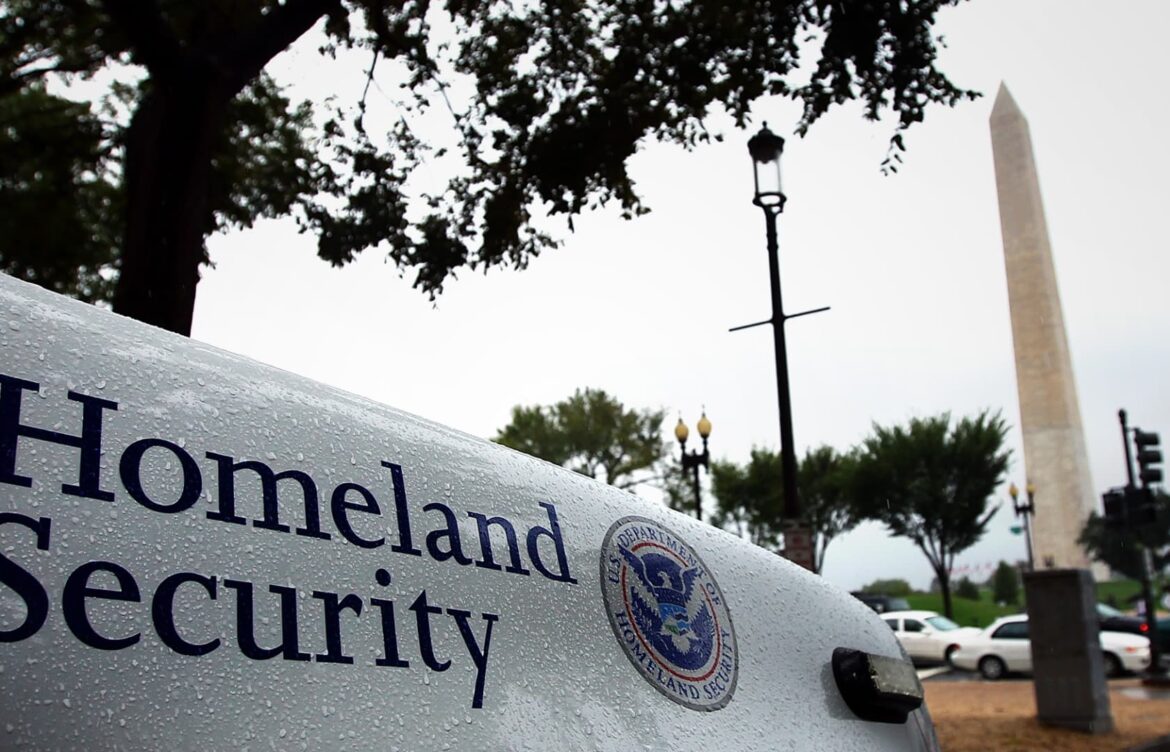
Understanding the DHS Shutdown: Latest Updates and Impacts
Introduction
The looming shutdown of the Department of Homeland Security (DHS) has become a pressing topic as the federal government grapples with budgetary constraints and political disagreements. With national security programs at stake, the potential cessation of services could have far-reaching implications for citizens and government operations.
Current Circumstances
As of October 2023, Congress is facing a critical deadline to approve funding for the DHS to prevent a shutdown, which is set to occur if a stopgap measure is not enacted by the end of the month. Current negotiations reveal significant divides among lawmakers, particularly concerning border security funding and immigration policy reforms, complicating the path forward.
Impacts of a DHS Shutdown
A shutdown would affect numerous programs within the DHS, including the Transportation Security Administration (TSA), U.S. Customs and Border Protection (CBP), and the Federal Emergency Management Agency (FEMA). Essential services, such as border security and emergency response, could be severely hindered, creating vulnerabilities in national security. Moreover, many DHS employees may face furloughs, leading to a halt in operations and delayed responses to crises.
The fallout from a DHS shutdown could also extend to local governments, which often rely on federal assistance for disaster response and public safety initiatives. The uncertainty is already causing concern among state and local officials who fear a loss of resources during critical periods.
Public Reaction
Public sentiment regarding the potential shutdown is mixed. Citizens are understandably anxious about the impacts on safety and security. Organizations advocating for border reform and immigration reform are also sounding alarms, urging lawmakers to reach a bipartisan agreement to avert a shutdown and ensure that essential services continue without interruption.
Conclusion
The impending DHS shutdown raises important questions about national security, governmental efficiency, and public safety. Experts stress the urgency for Congress to negotiate a viable funding solution before the deadline. Should the shutdown proceed, its effects are likely to be felt across the nation, prompting a need for citizens and officials alike to prepare for potential disruptions in services. The significance of resolving this issue swiftly cannot be overstated, as it impacts not only governance but also the daily lives of Americans.