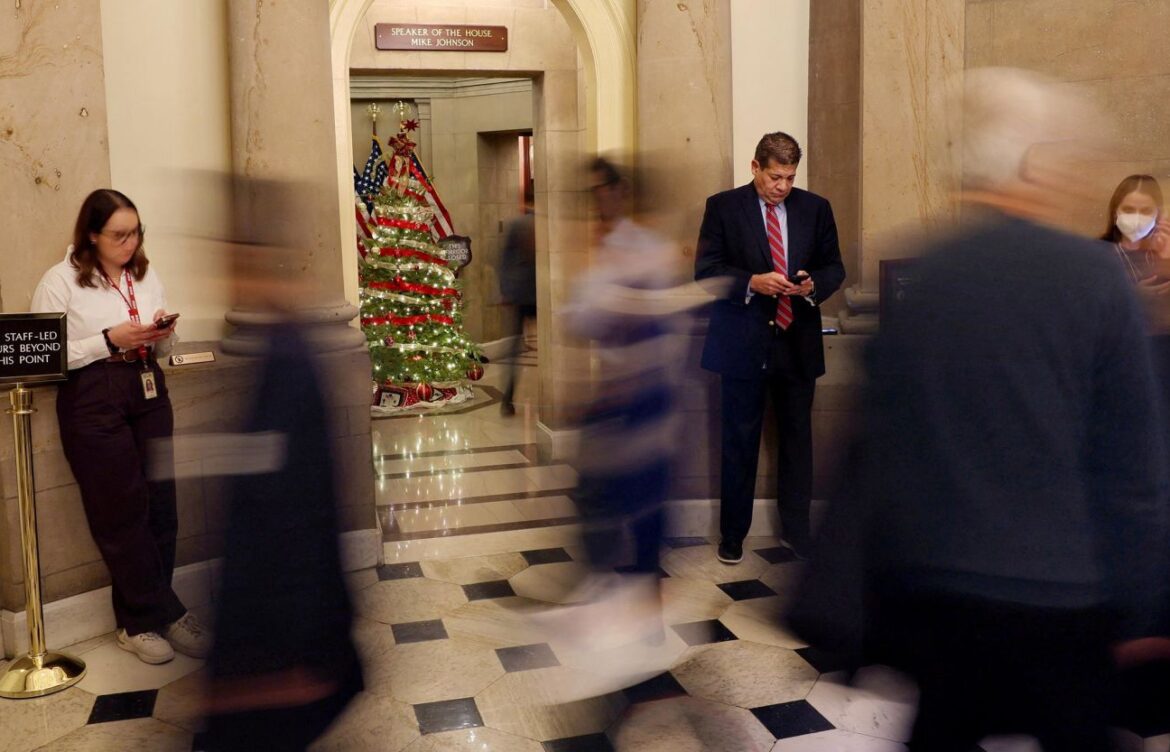
Understanding the Congress Government Shutdown
Introduction
The looming threat of a government shutdown is a pressing issue that impacts millions of Americans. A shutdown occurs when Congress fails to pass spending bills by the new fiscal year deadline, leading to the halt of non-essential government services. The recent discussions in Congress highlight the urgent need for bipartisan cooperation to prevent significant disruptions in government operations and services.
Current Events
As of late September 2023, Congress faces a critical deadline on September 30 to pass a budget or halt funding for various federal agencies. Key issues at the forefront include disagreements over funding levels for defense, social programs, and border security. These disputes have been exacerbated by political divisions within Congress, making consensus increasingly difficult. If a shutdown occurs, approximately 800,000 federal employees may be furloughed, while others would be forced to work without pay, affecting services in areas such as national parks, public health, and social services.
Public Reaction and Impacts
The potential for a government shutdown has provoked widespread concern among citizens, particularly among those who rely on government assistance programs. Recent polls indicate that a majority of Americans disapprove of Congress’s handling of budget negotiations, emphasizing the importance of effective governance. The effects of a shutdown also reverberate through the economy, with businesses reliant on government contracts or services facing uncertainty. The upcoming holiday season could further exacerbate these economic challenges, as disruptions may impact consumer confidence.
Conclusion
As Congress continues deliberations with the clock ticking towards a potential government shutdown, the stakes remain high for both the federal workforce and the American public. The outcome of these negotiations will not only determine the operational status of government services but also reflect the broader implications for national governance. Experts warn that failure to reach an agreement could lead not only to immediate disruptions but also long-term trust issues between the electorate and their representatives. As citizens await the final decision, the importance of civic engagement and communication with elected officials becomes crucial in shaping the future of government accountability.