Understanding Severe Weather in Hawaii
Introduction
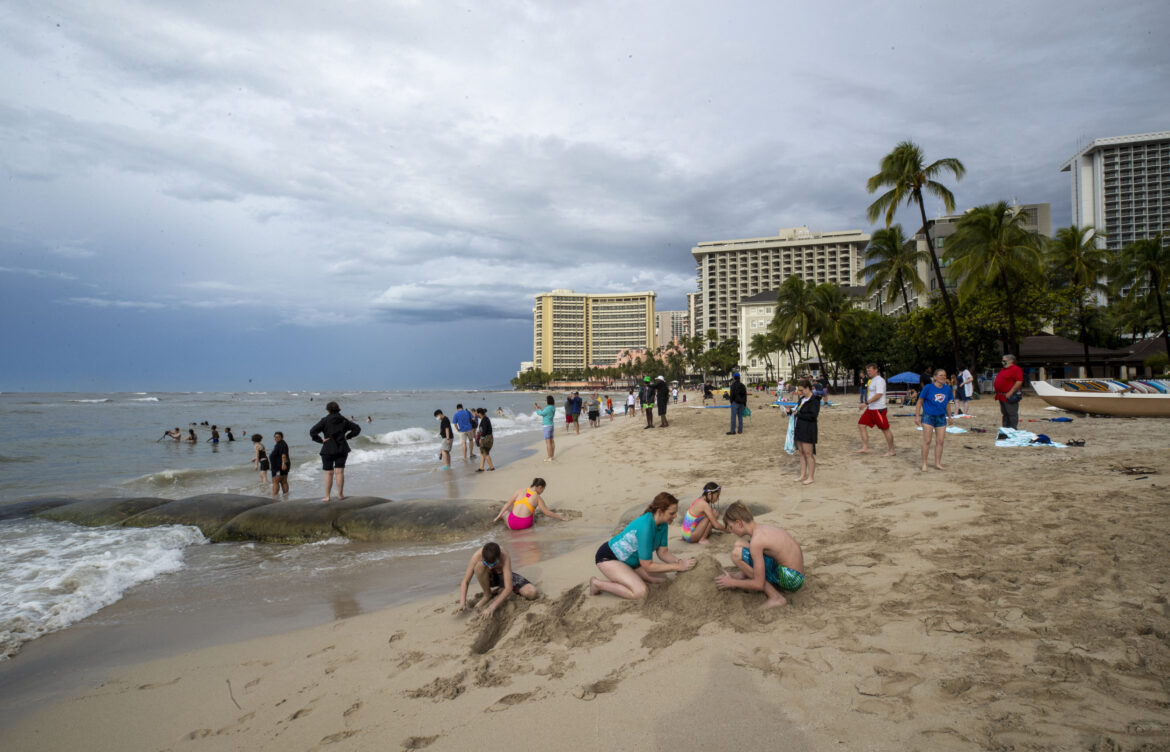
Severe weather in Hawaii, while less frequent than in other parts of the United States, can have profound effects on the islands’ residents and ecosystems. With the beautiful landscapes of Hawaii, the threat of hurricanes, heavy rains, and localized storms poses risks that warrant attention. Understanding the patterns and impacts of severe weather helps residents and tourists alike prepare adequately.
Main Body
In recent years, Hawaii has experienced a rise in severe weather events, consistent with global climate change trends. Tropical storms and hurricanes often form and pass close to the islands, with Hurricane Lane in 2018 being a notable example. Lane brought unprecedented rainfall, leading to extensive flooding and landslides on the Big Island and Maui, causing significant disruption to daily life and local economies.
This year, forecasters have been monitoring several disturbances in the Pacific that pose potential threats heading into hurricane season. The National Oceanic and Atmospheric Administration (NOAA) has expanded its resources to improve early warning systems, which is crucial for Hawaii, considering its remote location and vulnerable infrastructure.
Moreover, heavy rains associated with cold fronts can lead to flash flooding and mudslides, especially in mountainous regions. Recent reports from NOAA highlighted a pattern of increased precipitation during El Niño years, increasing the frequency of such flash floods. In 2020, heavy rains led to road closures and property damage across several areas of Kauai, alarming residents about the power of localized severe weather events.
Conclusion
As climate change continues to influence weather patterns, the potential for severe weather in Hawaii is likely to increase. Residents must stay informed about forecasting updates, preparedness plans, and safety measures. Local agencies are enhancing their disaster response and community education efforts to mitigate the impacts of these events. Understanding the nature and risks associated with severe weather becomes increasingly relevant as Hawaii faces these challenges. The beauty of the islands remains enchanting, but the memory of the destructive power of nature serves as a reminder of the need for vigilance and readiness.