Understanding High Wind Warnings and Their Impact
Introduction
In recent years, extreme weather events have become increasingly common, making high wind warnings vital for public safety. These alerts inform communities of potentially hazardous wind conditions, which can pose risks to property, personal safety, and transportation. Understanding the implications of high wind warnings is crucial for preparedness and response.
What Are High Wind Warnings?
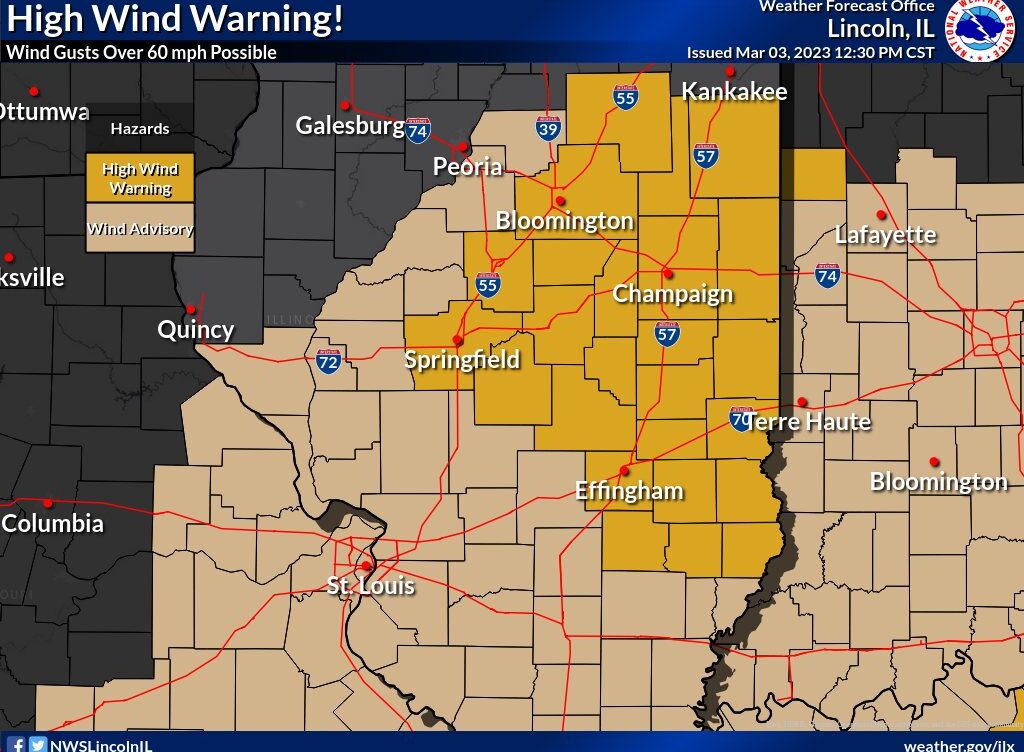
High wind warnings are issued by the National Weather Service (NWS) when sustained winds of 40 mph or more are expected to last for at least one hour, or when gusts reach 58 mph or higher. These warnings can occur during severe storms, hurricanes, or even strong frontal passages. Recently, regions across the Midwest and parts of the South have experienced such warnings, prompting residents to take necessary precautions.
Recent Events
Just last week, several states in the central United States faced high wind warnings due to a rapidly moving storm system. Winds exceeded 65 mph in some areas, resulting in downed trees, power outages, and hazardous driving conditions. Emergency services reported an increase in calls related to property damage and accidents caused by these high winds.
In response, local governments and emergency management agencies urged citizens to secure outdoor items, avoid unnecessary travel, and stay indoors if possible. The National Weather Service also provided guidance on recognizing the signs of severe wind conditions and advised following updates for real-time alerts.
Safety Tips During High Wind Warnings
To stay safe during high wind warnings, consider the following tips:
- Stay indoors and away from windows. High winds can break glass and send debris flying.
- Secure outdoor objects such as patio furniture, trash cans, and decorations that could become projectiles.
- Avoid driving if possible, especially in high-profile vehicles that are more susceptible to wind.
- Prepare for power outages by having flashlights, batteries, and food supplies on hand.
- Monitor local weather reports for updates and advisories.
Conclusion
High wind warnings are critical alerts that can help mitigate damage and ensure safety during severe weather events. As climate change continues to influence weather patterns, the occurrence of extreme wind events may rise, underscoring the importance of public awareness and preparedness. By staying informed and following safety guidelines, individuals and communities can better respond to these formidable weather conditions, thereby reducing risks and enhancing safety.