Understanding Freeze Warnings: Preparation and Safety Tips
Introduction to Freeze Warnings
As winter approaches, weather officials are issuing freeze warnings across multiple regions, urging residents to take necessary precautions. A freeze warning is critical as it alerts communities to the imminent danger of subzero temperatures that can impact outdoor activities, agriculture, and personal health. Understanding the implications of these warnings can help individuals and families prepare effectively.
Current Freeze Warnings Issued
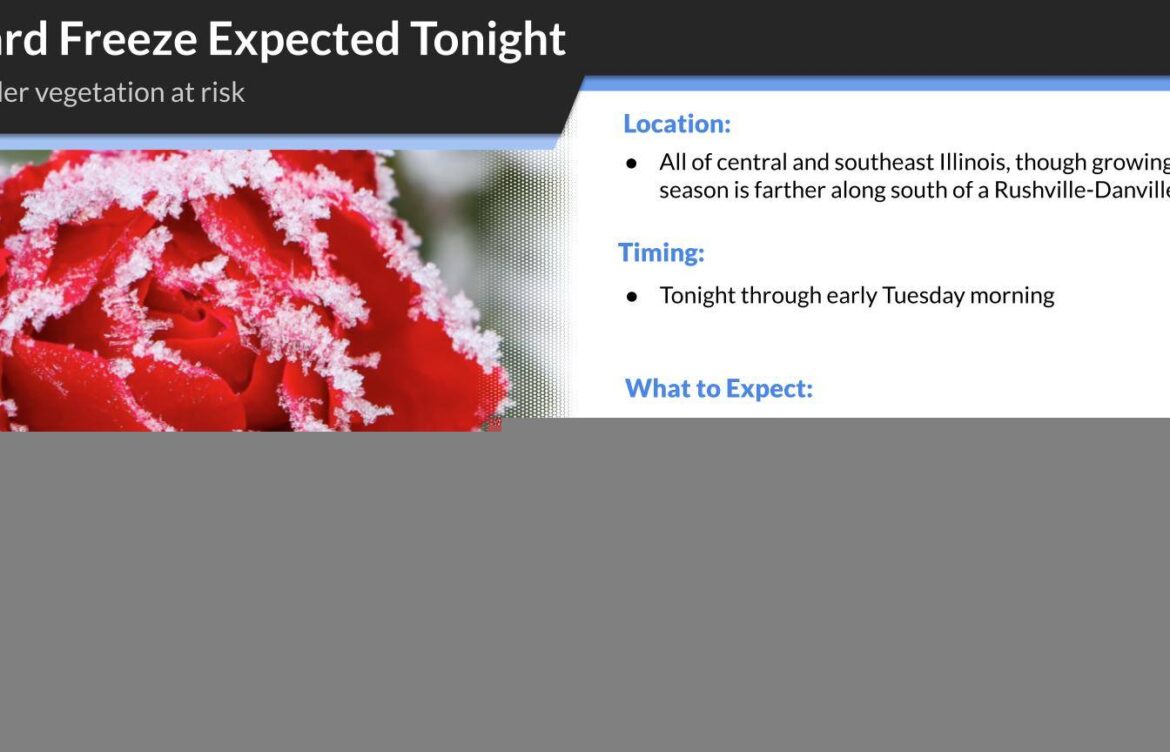
Recently, the National Weather Service (NWS) has announced freeze warnings for areas including the Midwest and Northeast of the United States. In states such as Indiana, Ohio, and Pennsylvania, temperatures are predicted to drop significantly, with many areas experiencing below-freezing conditions overnight. This week’s forecast indicates that temperatures could plummet to the mid-20s, which can lead to frost forming on plants and surfaces, thereby affecting local agriculture.
The NWS advises that temperatures are expected to remain low during the nights of November 1st through 3rd, with possible ground frost noted. Such weather alerts are essential during the late fall and winter months as they signal immediate risks to vulnerable crops and garden plants.
Impact on Agriculture and Homeowners
For farmers, a freeze warning is particularly concerning. Crops that are sensitive to cold, such as tomatoes, squash, and peppers, may be damaged by the frost. Agricultural experts recommend harvesting crops that have not yet matured and covering sensitive plants with blankets or tarps to offer them protection.
Homeowners are also advised to take precautions. This includes disconnecting garden hoses, protecting outdoor plumbing, and ensuring pets have adequate shelter. Furthermore, maintaining indoor temperature settings to avoid freezing pipes is crucial as temperatures drop.
Conclusion and Safety Recommendations
As freeze warnings continue to be issued across various regions, it is important for residents to stay informed and prepared. Monitoring local weather updates, taking care of vulnerable plants, and ensuring home readiness are simple yet effective strategies to mitigate the risks associated with freezing temperatures. While the cold weather may be inevitable, being prepared can help communities weather the season safely and effectively.