Understanding Freeze Warnings and Their Impacts
Introduction
As winter approaches, the National Weather Service (NWS) has issued freeze warnings across several regions in the United States. These warnings are critical alerts that inform the public of impending temperatures that can drop below 32°F, posing threats to outdoor activities, agriculture, and human safety. With climate variations becoming more prevalent, understanding the implications of freeze warnings is increasingly essential for both urban and rural residents.
Details of the Current Freeze Warnings
This past week, areas particularly in the Midwest and Northeast have experienced significant drops in temperature, leading to widespread freeze warnings. The NWS reports that these warnings encompass states from North Dakota down through Kansas and across to Ohio and Pennsylvania, indicating a substantial early winter chill.
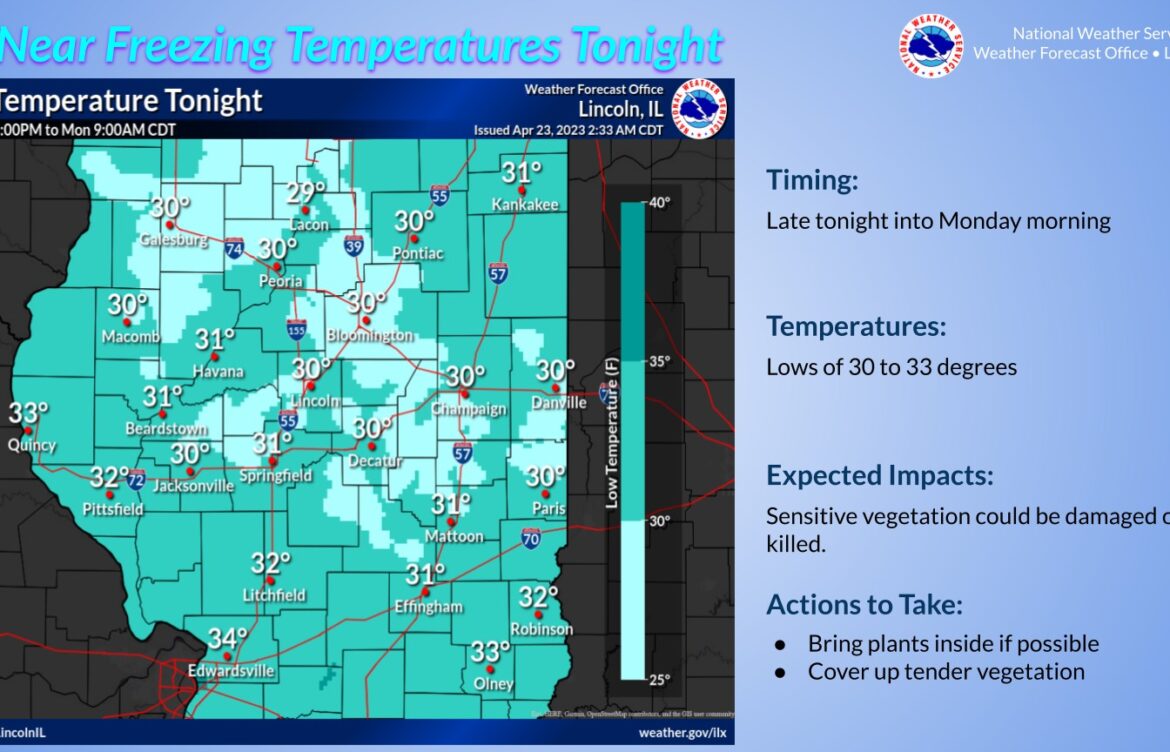
According to the forecast, temperatures are expected to dip well into the lower 30s, with some areas potentially experiencing temperatures near or below freezing. This could result in frost, which could harm sensitive plants, crops, and result in hazardous driving conditions as roads may become icy overnight.
Impacts on Agriculture and Safety
Agricultural sectors are particularly concerned with freeze warnings. Farmers are advised to cover their plants, utilize heaters, or take other protective measures to safeguard crops that are still growing late in the season. Fruit orchards, for instance, may face severe damage if temperatures fall too low, impacting yields and consequently market prices as well.
Furthermore, the public is reminded to take precautions, such as protecting pets and plumbing, and being cautious on the roads. The danger of slipping on ice increases significantly, and residents are urged to stay updated on local weather advisories.
Conclusion
Freeze warnings serve as an important reminder for communities to prepare for cold weather conditions. With forecasts predicting these phenomena to continue throughout December and potentially into early spring, it is vital for individuals and families to stay informed. Building awareness around freeze warnings not only enhances public safety but also helps mitigate negative effects on local agriculture. As temperature fluctuations are becoming a common thread, preparedness and vigilance are key to navigating these chilly challenges.