Understanding Freeze Warnings and Their Impact
Introduction
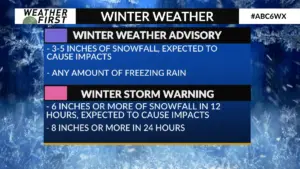
As winter approaches, the National Weather Service (NWS) issues freeze warnings across many regions, highlighting the potential hazards of plummeting temperatures. These alerts are crucial not only for local residents but also for farmers and businesses that depend on stable weather conditions. Understanding freeze warnings helps individuals prepare and mitigate effects on health, property, and agriculture.
What is a Freeze Warning?
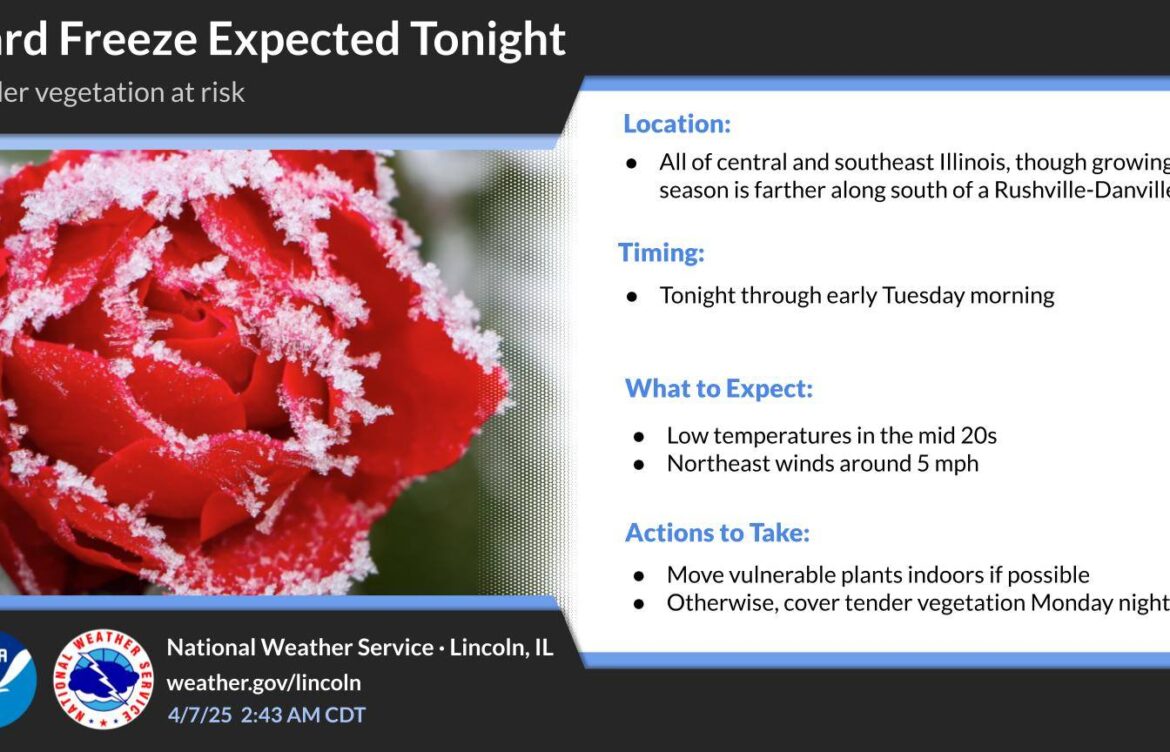
A freeze warning is a weather advisory issued when temperatures are expected to drop to 32°F (0°C) or lower, posing risks to crops, sensitive vegetation, and even humans. Typically, such warnings are announced in the late fall through early spring when frost is likely. Weather patterns might vary across regions, yet the implications remain similar: damaging cold is on the way.
Current Weather Events
Recent reports indicate that multiple states, especially in the Midwest and Northeast, are under freeze warnings as temperatures drop significantly. This phenomenon is caused by a series of cold fronts that have moved southward, bringing freezing temperatures and potential frost overnight. In states like Ohio, Wisconsin, and New York, farmers have been on high alert, rushing to cover crops and protect sensitive plants from frost damage.
Impact on Agriculture
For farmers, a freeze warning can have devastating effects on crops. Many crops, including fruits and vegetables, are sensitive to cold temperatures. A sudden drop can lead to frostbite or even death of the plants. The agricultural community often relies on timely information from freeze warnings to take preventative measures, such as using blankets or heated enclosures to protect vulnerable crops. Extension services and local farmers’ groups also play a critical role in advising best practices before a freeze event.
Public Safety Considerations
Beyond agriculture, freeze warnings remind individuals to take precautions against cold weather-related hazards. Hypothermia and frostbite become serious concerns, particularly for vulnerable populations, including the elderly and homeless. It is crucial for communities to prepare shelters and distribute blankets or warm clothing during freeze warnings. Additionally, individuals are urged to winterize their homes, check heating systems, and avoid travel during severe conditions.
Conclusion
As we head deeper into winter, understanding and responding to freeze warnings is essential for safeguarding public health and ensuring agricultural productivity. Experts predict that freeze warnings will become more common as weather patterns shift, thus emphasizing the need for increased awareness and preparedness. Residents and farmers alike are encouraged to keep a pulse on their local forecasts, follow the NWS updates, and take necessary actions to mitigate the risks associated with freezing conditions.